Setting up a small animal veterinary clinic requires careful attention to detail, especially when it comes to selecting the right veterinary equipment. Whether you’re opening a new clinic or upgrading your existing one, a comprehensive equipment checklist ensures that your clinic is well-equipped to provide the best care for your patients. This guide walks you through the essential tools and equipment you need to run an efficient, high-quality practice.
1️⃣ Key Equipment for Veterinary Examination Rooms
Veterinary examination rooms are the heart of any clinic. They must be equipped with the right tools to provide quick and accurate assessments for animals of all sizes. Below is a list of essential equipment that should be included in your examination rooms.
Essential Examination Room Equipment
- Veterinary Examination Table: A hydraulic or electric exam table with adjustable height for ease of use.
- LED Examination Light: Proper lighting is essential for accurate diagnostics and examination.
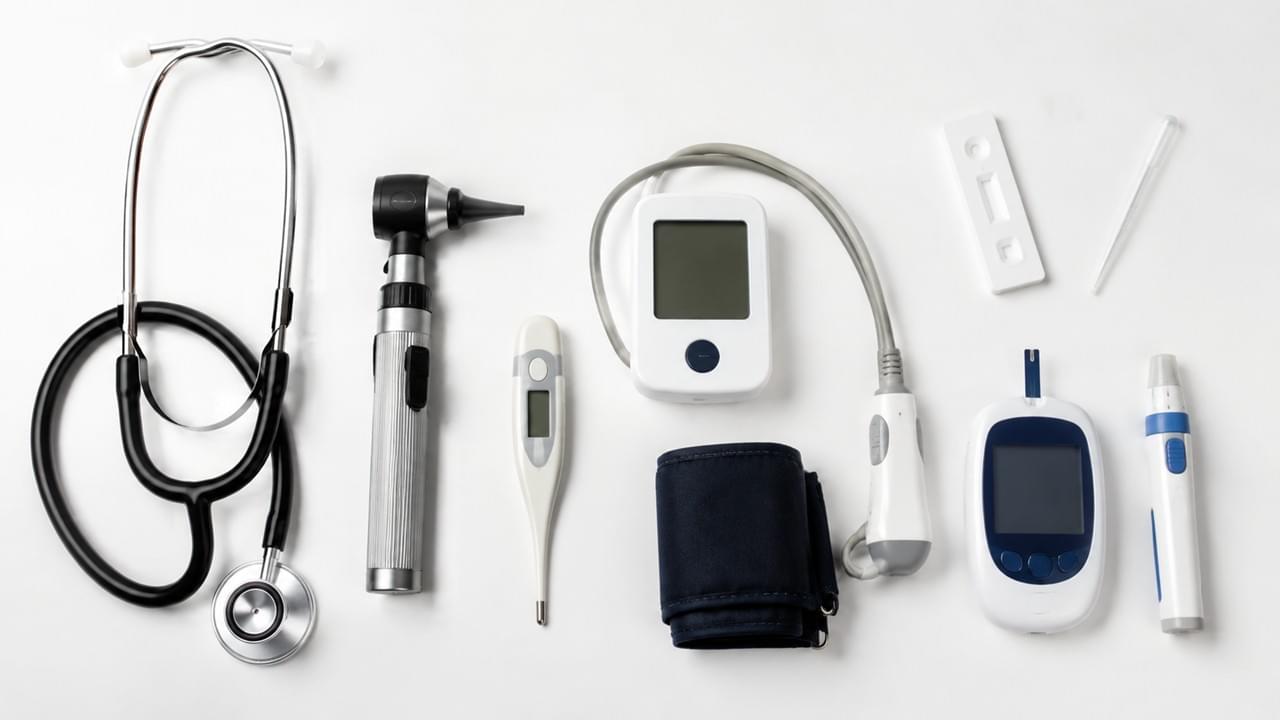
- Thermometers: A digital or infrared thermometer for quick and accurate temperature readings.
- Weighing Scale: Digital scales for measuring pets of various sizes.
- Vital Signs Monitor: Measures heart rate, blood pressure, and other vital metrics during exams.
These tools are crucial for providing efficient and high-quality care in a small animal veterinary clinic.
2️⃣ Diagnostic Equipment for Veterinary Clinics
Having reliable diagnostic tools is vital for diagnosing a wide range of conditions and creating tailored treatment plans for pets. From imaging devices to blood analyzers, here’s what you need in your clinic.
Must-Have Diagnostic Equipment
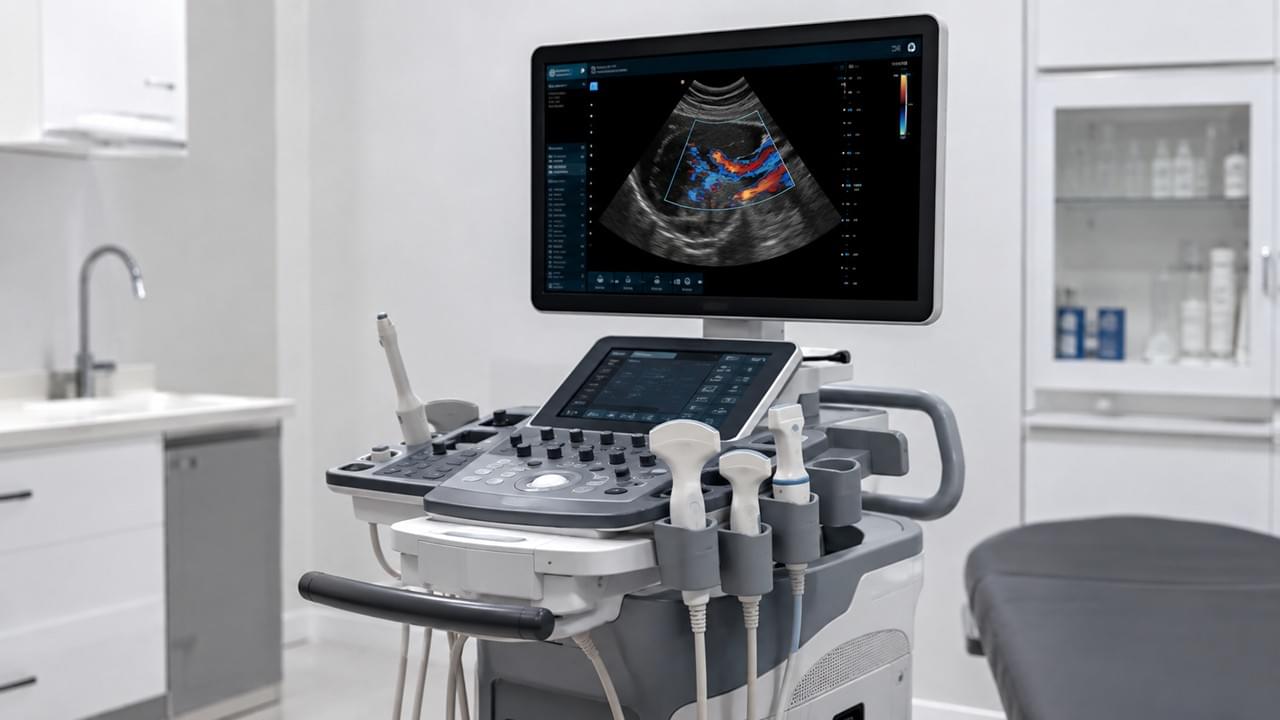
- Veterinary Ultrasound: An ultrasound machine helps in diagnosing internal conditions such as tumors or organ abnormalities.
- Digital X-ray Machine: Essential for assessing fractures, internal injuries, and detecting foreign bodies.
- Laboratory Equipment: Blood and urine analyzers, microscopes, and centrifuges for accurate testing and diagnosis.
By investing in diagnostic equipment, your clinic can deliver faster and more accurate results, enhancing your reputation and service offerings.
3️⃣ Surgical Suite Equipment for Veterinary Clinics
A well-equipped surgical suite is essential for performing surgeries safely and efficiently. Veterinary surgeries require precision, and the right equipment ensures that you can perform a variety of procedures with confidence.
- Surgical Table: A sturdy, adjustable table that allows for easy positioning of patients during surgeries.
- LED Surgical Lights: Provides clear, shadow-free lighting essential for performing delicate surgeries.
- Anesthesia Machine: Reliable anesthesia delivery system to ensure pets remain stable during procedures.
- Surgical Instruments: Basic tools like scalpels, forceps, and scissors for a wide range of surgeries.
Having a fully equipped surgical suite allows your clinic to handle emergency surgeries, routine procedures, and more advanced operations.
4️⃣ ICU & Recovery Equipment
For critical care and recovery after surgery, an Intensive Care Unit (ICU) is essential. This area is designed to monitor and support the most critical patients.
ICU and Recovery Equipment Checklist
- ICU Cages: Cages that provide adequate ventilation and space for recovering animals, with oxygen support for critical cases.
- Patient Monitoring Systems: Multi-parameter monitors that track vital signs such as heart rate, respiratory rate, and oxygen levels.
- Heating Pads: Used to maintain body temperature, especially for small or critically ill animals.
- Infusion Pumps: For administering fluids and medications during recovery.
Setting up an ICU area with the right equipment ensures that critical patients receive the care they need and have the best chance of recovery.
5️⃣ Pharmacy and Storage Solutions
Proper storage and organization of medications and medical supplies are essential for the smooth operation of your clinic. A well-organized pharmacy not only saves time but also reduces errors and improves workflow.
Pharmacy Equipment Essentials
- Medication Storage Cabinets: Lockable cabinets for controlled substances and other medications.
- Refrigeration: A dedicated refrigerator to store temperature-sensitive medications, vaccines, and biological samples.
- Supply Storage: Shelving units for surgical tools, consumables, and other medical supplies.
- Cleaning Supplies: Disinfectants, gloves, and other consumables necessary to maintain a sterile environment.
By maintaining an organized pharmacy, you ensure quick access to supplies and avoid unnecessary delays in treatment.
6️⃣ Laboratory Equipment for In-House Testing
Having an in-house laboratory can significantly improve your clinic’s efficiency and diagnostic capability. Laboratory equipment allows you to perform tests on-site, giving you fast results and better control over the quality of care.
Essential Lab Equipment for Veterinary Clinics
- Microscope: Necessary for analyzing blood, urine, and other samples.
- Centrifuge: Used to process blood and urine samples for various diagnostic tests.
- Blood Pressure Monitoring: Essential for diagnosing and managing hypertension in animals.
- Urine Analysis System: Helps monitor kidney function and overall health.
With the right laboratory equipment, you can provide immediate diagnostic results, speeding up treatment and enhancing your clinic’s reputation for quality care.
Complete Your Clinic with the Right Equipment
Setting up a small animal veterinary clinic requires careful planning and investment. This equipment checklist serves as a guide to help you choose the best tools for your practice. By ensuring that you have the necessary examination, diagnostic, surgical, ICU, and laboratory equipment, you’ll be able to provide comprehensive care and set your clinic up for long-term success.