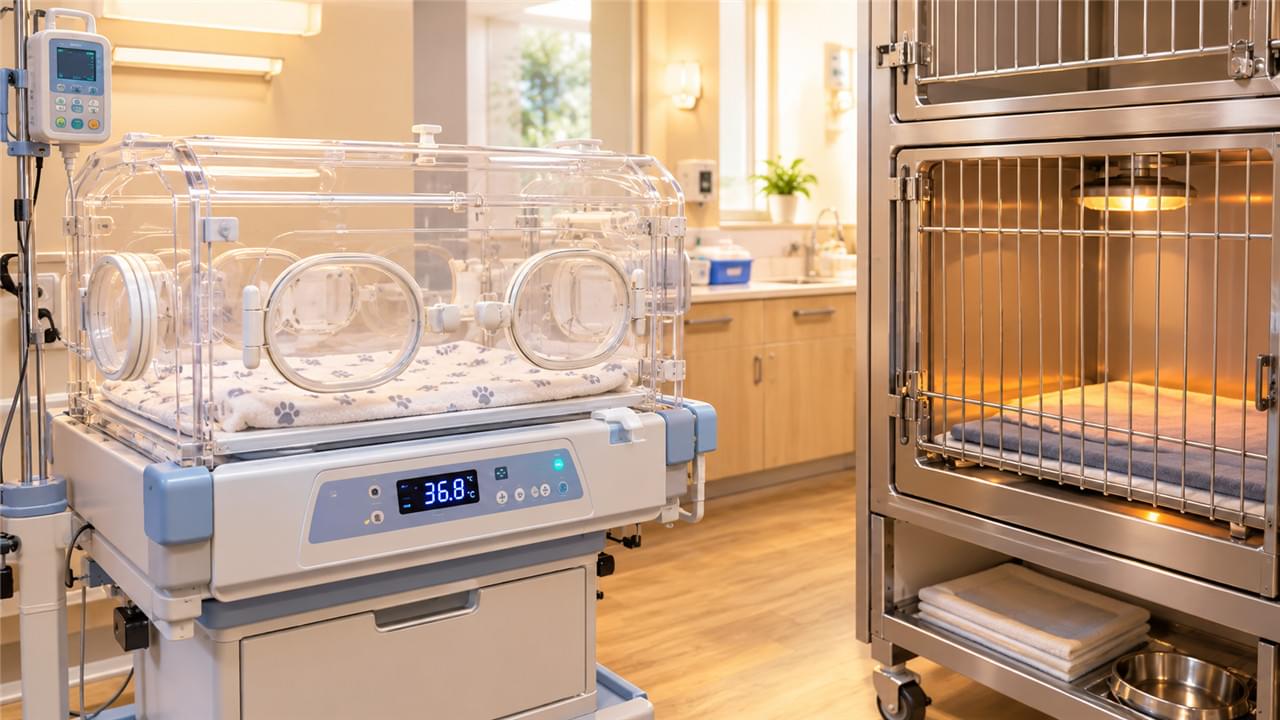
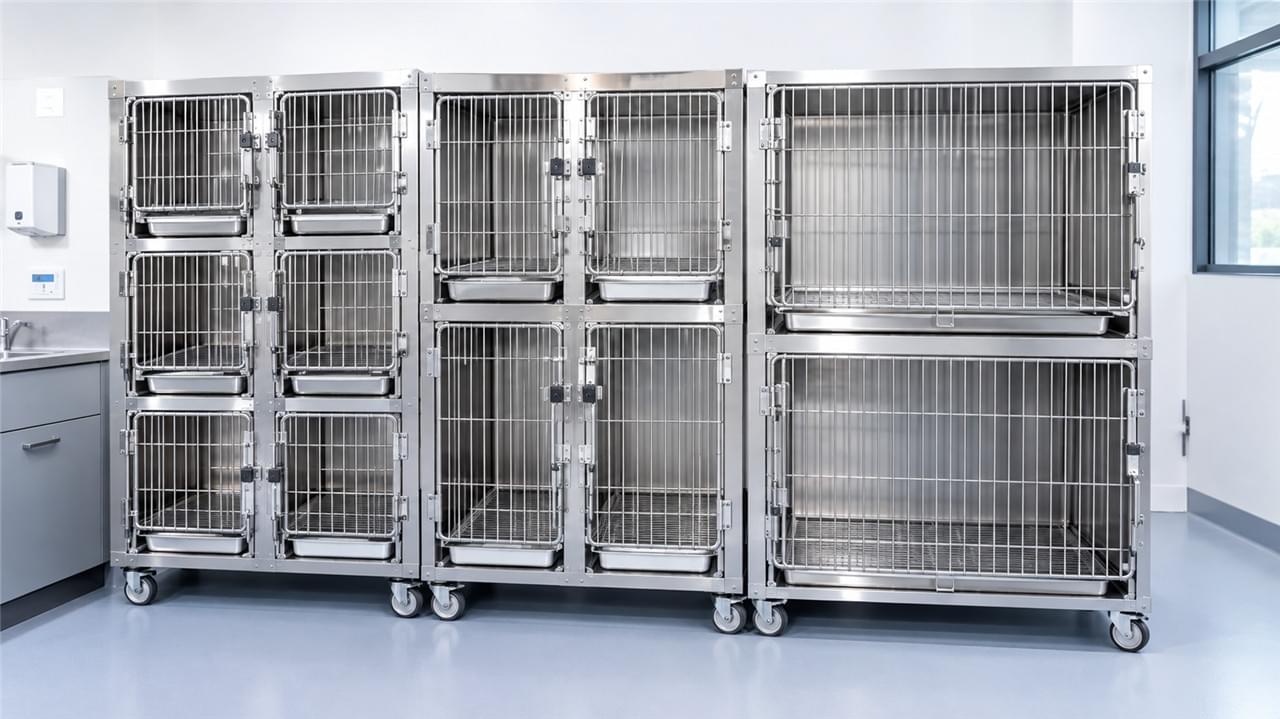
Ward temperature control is not a luxury consideration — it is a clinical parameter. Hypothermia and hyperthermia both impair recovery, compromise immune function, and feed post-operative complications in hospitalized veterinary patients. Good temperature control and comfort in animal wards actively supports recovery at every stage of hospitalization; poor control quietly sabotages everything else you do.
This guide covers the physiology, the systems, and the monitoring protocols behind effective ward temperature control. For the broader equipment context, see the Veterinary Nursing, Housing & Daily Care Equipment Guide.
🧬 The Physiology: Why Thermoregulation in Hospitalized Patients Fails
Effective ward temperature control starts with knowing which patients lose the ability to self-regulate, and why:
- Post-anesthetic patients: anesthesia impairs thermoregulation for 2–6 hours after recovery. Without external warming, small animals typically lose 1–3°C in this window. Core temperature below 36°C measurably impairs coagulation and drug metabolism.
- Critically ill patients: sepsis, shock, and severe systemic illness disrupt thermoregulatory homeostasis — patients run hypothermic (peripheral vasodilation and heat loss) or pyrexic (inflammatory response). Active management supports normalization either way.
- Neonates: simply cannot thermoregulate effectively and need external thermal support on arrival. Below 32°C, a neonate is in life-threatening territory without immediate intervention.
- Exotic species: reptiles are ectotherms — every physiological function depends on external heat. Wrong temperature means stalled digestion, stalled immunity, stalled recovery.
🏢 Standard 1–2: Ward Temperature Control at the HVAC Level
The HVAC system sets the baseline; everything else stacks on top of it.
| Ward Area | Target Temperature |
|---|---|
| Dog ward | 18–22°C |
| Cat ward | 20–24°C |
| Rabbit/small mammal ward | 18–22°C |
| Exotic bird housing | 22–28°C |
| Reptile housing | 24–32°C (+ localized basking zones) |
| Neonatal intensive care | 22–28°C (with incubator supplement) |
| Surgical recovery area | 22–24°C |
HVAC specifications for ward temperature control:
- 🌡️ Individual zone control per ward — dog and cat wards must not share a single temperature zone
- 💧 Humidity at 40–65% RH: prevents respiratory mucosa desiccation and reduces airborne pathogen survival
- 🌬️ Minimum 8–12 air changes per hour for general wards; 15+ for isolation
- 👃 Odor management via activated carbon filtration or UV treatment in recirculated air
🛏️ Standards 3–5: Cage-Level Ward Temperature Control Equipment
Room HVAC alone can’t rescue a hypothermic patient. Cage-level equipment does the active work:
🔥 Heated Cage Floor Panels: The Workhorse of Ward Temperature Control
- Electric resistance element in a removable silicone or metal pad
- Thermostatically controlled: 28–38°C surface range
- Safety cutoff at 42°C to prevent thermal burns
- Always placed under the bedding layer — never direct patient contact with the heated surface
Heated cage floor panels are the workhorse of cage-level ward temperature control: affordable, per-unit, and safe when the thermostat works. Verify the cutoff function at every service interval.
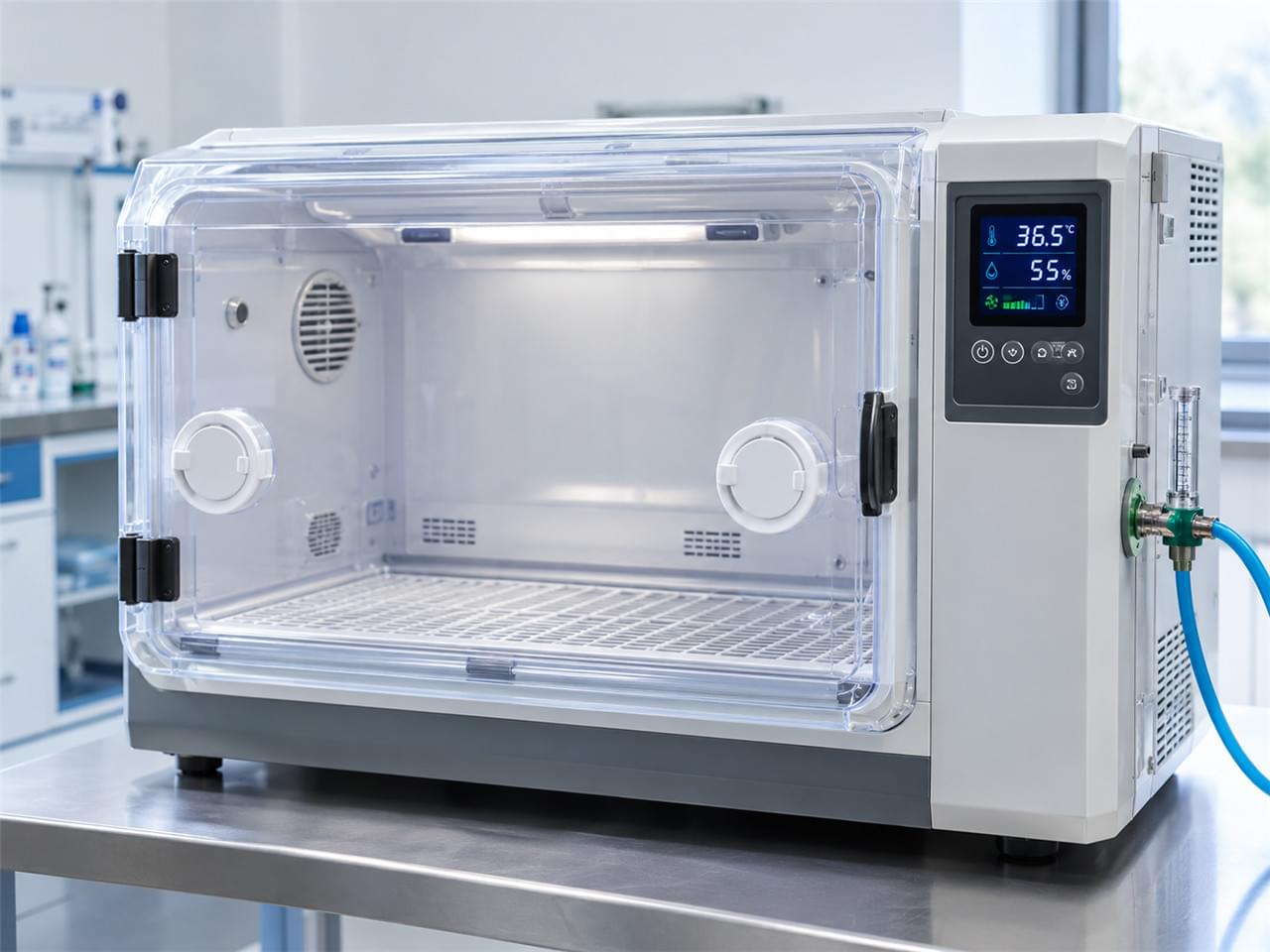
🐣 Incubators: Precision Ward Temperature Control for Fragile Patients
- Fully enclosed with precise control (±0.5°C), combining temperature and humidity
- Oxygen inlet for concurrent supplementation
- Transparent viewing panels — observe without disrupting the environment
- For neonatal dogs/cats, birds, reptiles, and small mammals
💨 Forced Hot Air Systems and Radiant Heat Lamps
- Forced hot air (Bair Hugger-type): inflatable disposable blanket plus hot air generator — the fastest active rewarming option for hypothermic and immediate post-surgical patients
- Radiant heat lamps: adjustable-height overhead sources for open recovery areas; adjust height to hold patient surface temperature 2–3°C above ambient
📟 Standards 6–7: Monitoring Protocols and Emergency Response
🩺 The Nursing Round Protocol for Ward Temperature Control
Temperature monitoring must be active, not passive. The round protocol:
- Rectal check at minimum every 4 hours for post-surgical patients; every 2 hours during active rewarming
- Target core range: 38.0–39.2°C (dogs and cats)
- Document every check in the patient record — trends matter more than single readings
- Alert thresholds: below 37.0°C triggers active warming; above 40.0°C triggers cooling
Cooling measures for hyperthermic patients:
- Room temperature reduction and increased air movement
- Wet cloth on paw pads and axillae
- Room-temperature IV fluids
- Never ice or cold-water immersion — peripheral vasoconstriction traps heat centrally and makes things worse
Thermoregulation in hospitalized patients is a moving target, and the nursing round is where ward temperature control actually happens — the equipment only holds the line the rounds defend.
❓ Frequently Asked Questions
🐈 What Is the Ideal Ward Temperature for a Cat?
Cats are most comfortable at 20–24°C. Unlike dogs, they tolerate cold poorly and stress visibly over temperature swings. Keep cat wards at the warmer end, never co-located with the dog ward — barking stress raises metabolic temperature demand and complicates everything else.
🍼 How Do I Manage Temperature for a Neonatal Litter?
Set the incubator to 29–32°C for week one, 26–29°C for weeks 2–3, and 22–26°C by weeks 3–4 as thermoregulation develops. An oxygen-capable incubator is essential if any littermate has respiratory compromise. Never house neonates in a standard cage with a heated pad alone — the in-cage temperature gradient is a thermoregulatory challenge they can’t win.
💰 How Much Does Ward Temperature Control Equipment Cost?
Heated cage floor panels: 150–150–400 per unit. Veterinary incubators: 2,500–2,500–8,000 depending on size and features. Forced-air warming units: 800–800–2,500. HVAC zone-control modifications vary by building — typically 2,000–2,000–10,000 for a clinic-scale upgrade. One complicated case of unmanaged post-surgical hypothermia — extended ICU stay, repeat procedures — typically costs more than all of it combined.
🎯 Key Takeaways
Effective temperature control and comfort in animal wards is layered: HVAC sets the baseline, cage-level equipment handles the active cases, and disciplined nursing rounds catch the drift in between. Follow the species-specific targets, respect the alert thresholds, and anchor your welfare standards in the WSAVA animal welfare and hospital care guidelines and AVMA veterinary patient care standards. For choosing the housing these systems attach to, see How to Choose Veterinary Cages and Hospital Housing Systems. 🐾