A well-planned veterinary hospital equipment setup determines whether a clinic operates smoothly or constantly struggles with inefficiency. When you understand how to set up a veterinary hospital strategically, equipment becomes an investment — not an expense.
This practical veterinary hospital equipment planning guide walks you through zoning, diagnostics, surgery, ICU systems, budgeting, and supplier selection. Whether you’re launching a new clinic or upgrading an existing facility, these 10 steps will help you build long-term clinical strength.
1️⃣ Define Workflow Before Buying Equipment
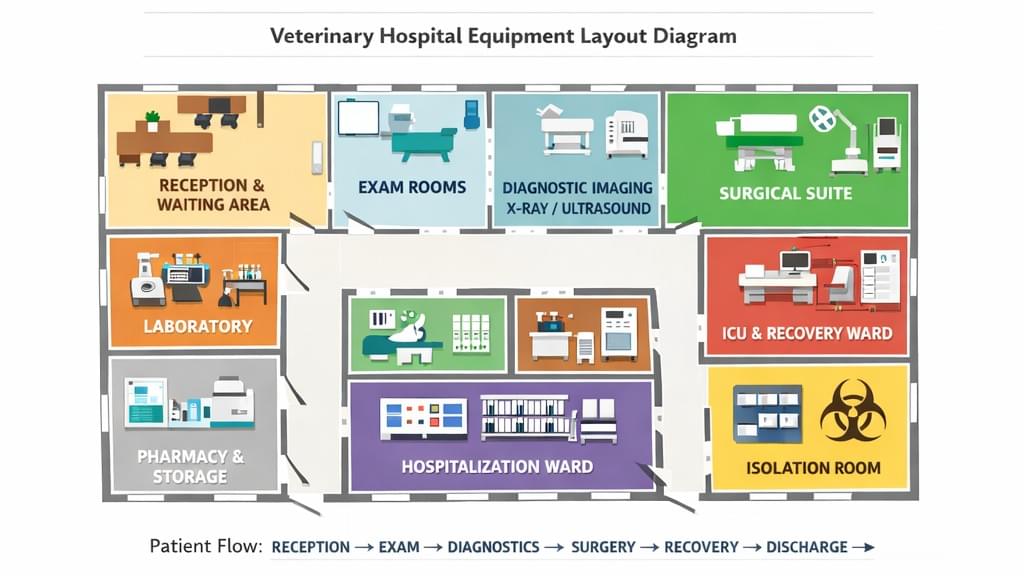
The foundation of a successful veterinary hospital equipment setup is workflow design.
Every hospital should map this patient journey:
Reception → Examination → Diagnostics → Treatment → Recovery → Discharge
Design your layout first. Equipment comes second.
🔗 For deeper surgical layout insights, see our veterinary surgical suite equipment guide.
External reference: The World Small Animal Veterinary Association emphasizes structured workflow to reduce clinical errors.
2️⃣ Build a Practical Veterinary Clinic Equipment Checklist
A clear veterinary clinic equipment checklist prevents overspending.
Veterinary Hospital Equipment Setup for Examination Rooms
- Electric examination table
- LED exam light
- Vital signs monitor
- Digital otoscope
- Weighing scale
Keep exam rooms simple but scalable.
3️⃣ Veterinary Hospital Equipment Setup for Diagnostics
Diagnostics define your hospital’s credibility.
Veterinary Hospital Equipment Setup for Imaging
- Digital X-ray system
- Veterinary ultrasound machine
- Radiation protection equipment
Veterinary Hospital Equipment Setup for In-House Labs
- Hematology analyzer
- Biochemistry analyzer
- Electrolyte analyzer
Clinics with emergency positioning benefit from in-house testing.
🔗 Learn more about veterinary diagnostic equipment systems in our detailed guide.
4️⃣ Design a Safe Surgical Suite
Surgery requires precision and environmental control.
Core systems include:
- Surgical table
- LED surgical light
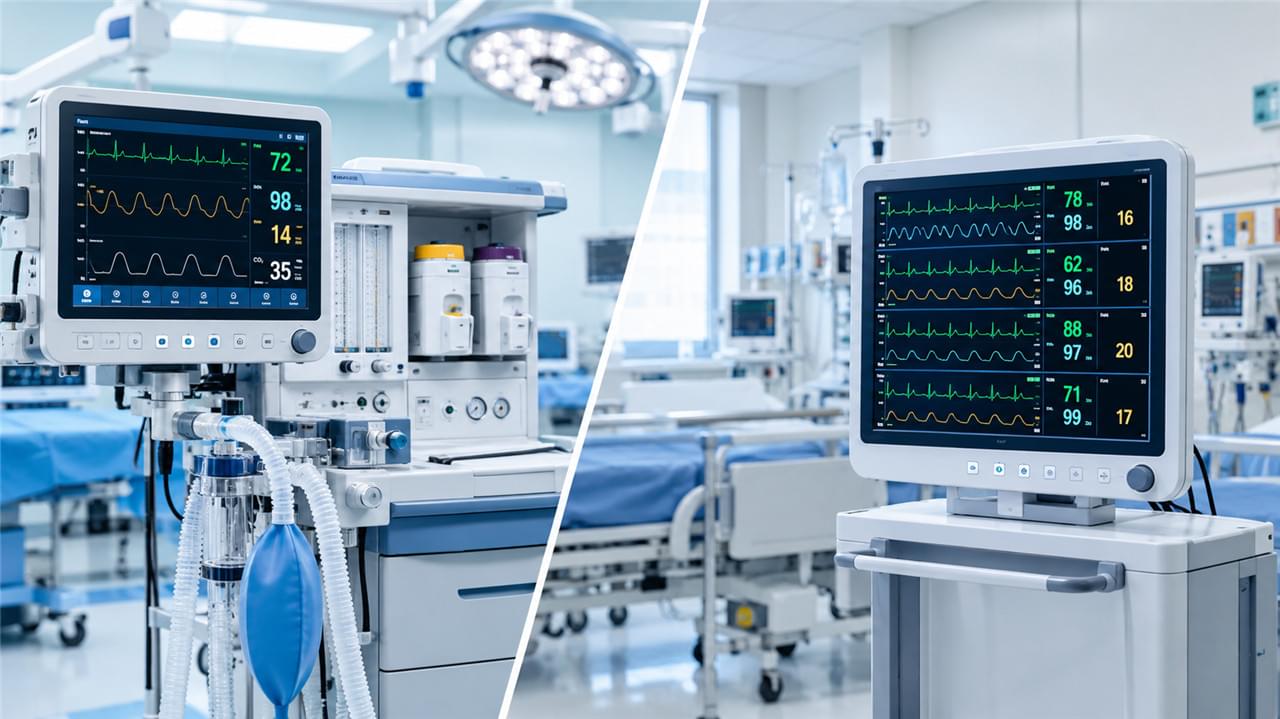
- Anesthesia machine
- Multi-parameter monitor
- Electrosurgical unit
Sterilization must never be compromised.
External guidance from the World Organisation for Animal Health highlights strict biosecurity protocols.
5️⃣ Invest in ICU & Critical Care Systems
Modern pet owners expect advanced care.
Veterinary Hospital Equipment Setup for ICU Areas
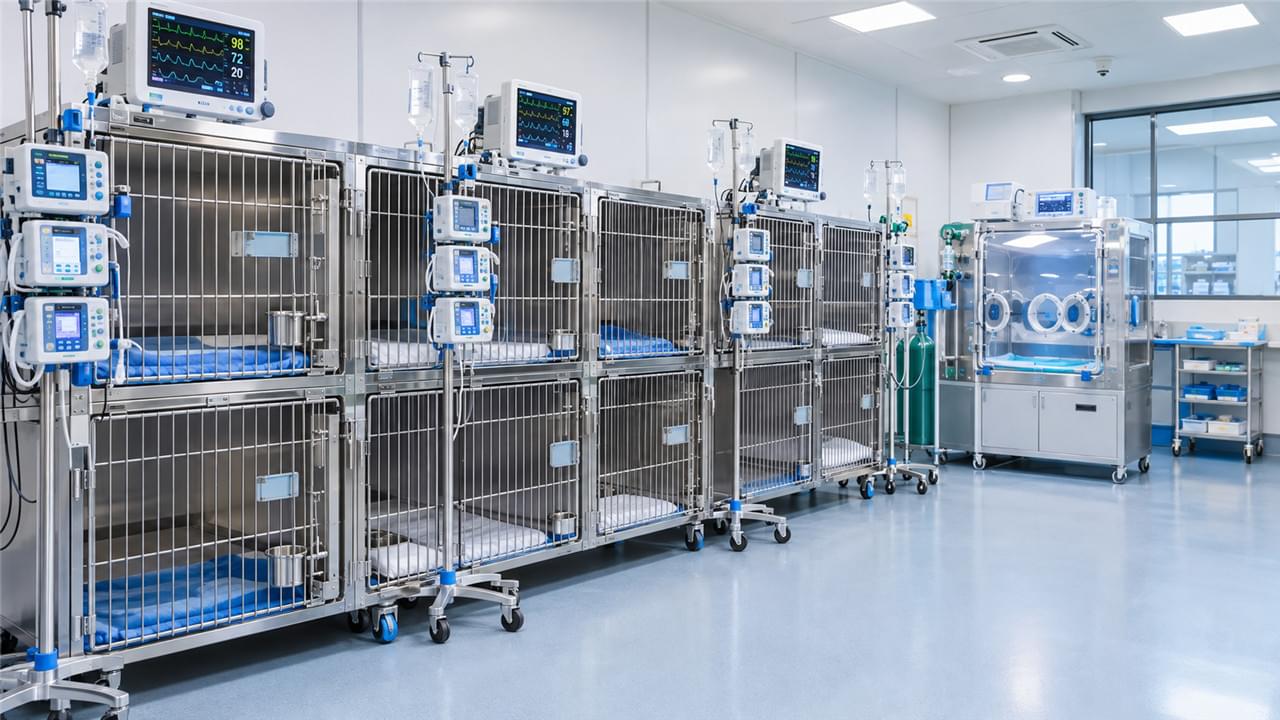
- Oxygen-integrated ICU cages
- Temperature-controlled enclosures
- Syringe pumps
- Emergency crash cart
If your clinic offers complex surgery, ICU capability is not optional.
🔗 Explore ICU equipment solutions for veterinary hospitals to plan effectively.
6️⃣ Plan Hospitalization & Nursing Zones
Daily care areas support recovery and recurring revenue.
Key components:
- Stainless steel cages
- Ventilation systems
- Grooming stations
- Waste management
Comfort and stress reduction improve outcomes.
The American Animal Hospital Association promotes low-stress handling principles in ward design.
7️⃣ Strengthen Infection Control Systems
Every veterinary hospital equipment setup must include biosecurity.
Separate:
✔ Dirty instrument flow
✔ Clean storage
✔ Isolation traffic
Autoclaves, UV disinfection systems, and isolation rooms are critical.
🔗 Read our infection control solutions in veterinary clinics guide for advanced compliance strategies.
8️⃣ Allocate Budget Strategically
A common mistake in how to set up a veterinary hospital is emotional purchasing.
Suggested allocation:
- 30–35% Diagnostics
- 25–30% Surgery
- 15% ICU
- 10–15% Hospitalization
Always calculate total ownership cost, including training and maintenance.
9️⃣ Choose the Right Equipment Partner
Your supplier determines long-term stability.
When evaluating manufacturers, verify:
- Certifications
- Export experience
- Spare parts support
- Technical documentation
Vsun Vet provides integrated veterinary hospital equipment setup solutions, including surgical systems, ICU cages, imaging equipment, and OEM manufacturing services for distributors.
🔗 Discover our OEM veterinary equipment manufacturing services to explore partnership opportunities.
🔟 Plan for 10-Year Scalability
The best veterinary hospital equipment setup is future-oriented.
Ask:
- Can this system expand?
- Is training included?
- Does it integrate digitally?
Hospitals that plan for growth outperform those that purchase reactively.
❓ Frequently Asked Questions
1.What equipment is essential to open a veterinary clinic?
At minimum: examination tables, imaging systems, surgical equipment, ICU cages, and sterilization systems.
2.How much does a veterinary hospital equipment setup cost?
Small clinics may invest $100,000–$300,000. Advanced hospitals exceed $500,000 depending on specialization.
3.Is in-house laboratory equipment necessary?
If you provide surgery or emergency care, internal labs significantly improve response time.
A strategic veterinary hospital equipment setup creates clinical confidence, operational efficiency, and long-term profitability.
Build intelligently. Plan systematically. Partner wisely.