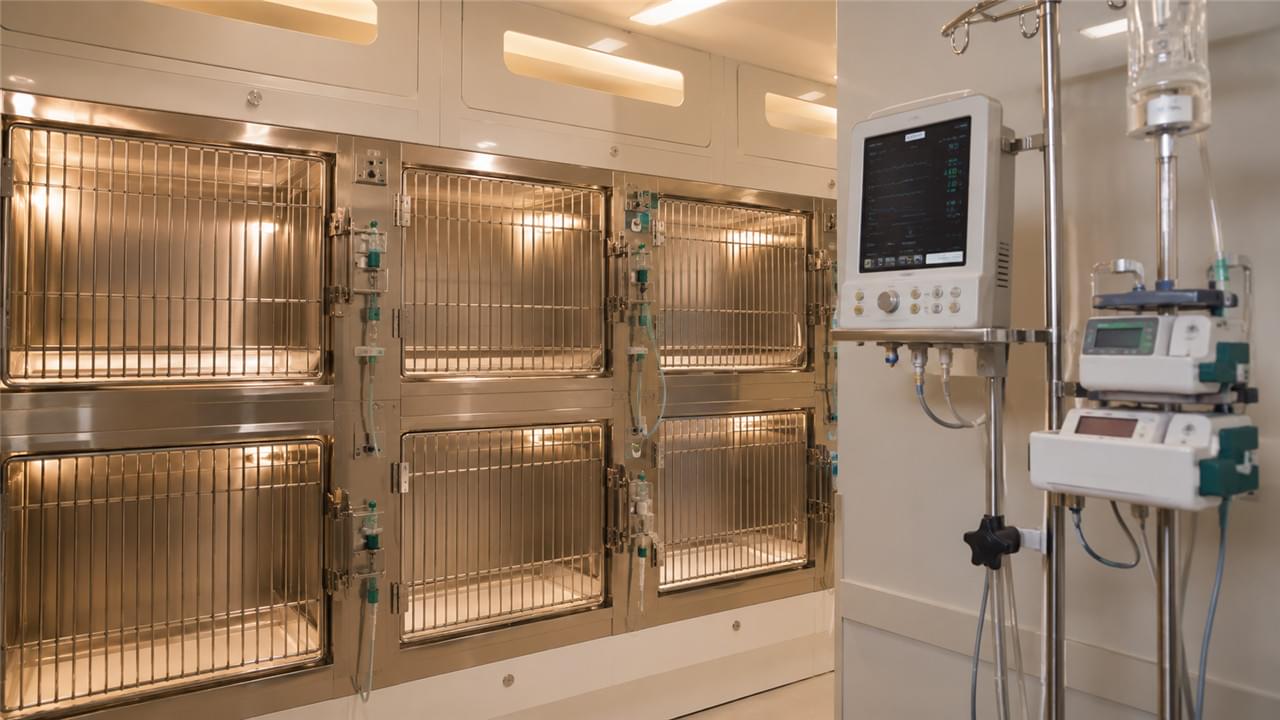
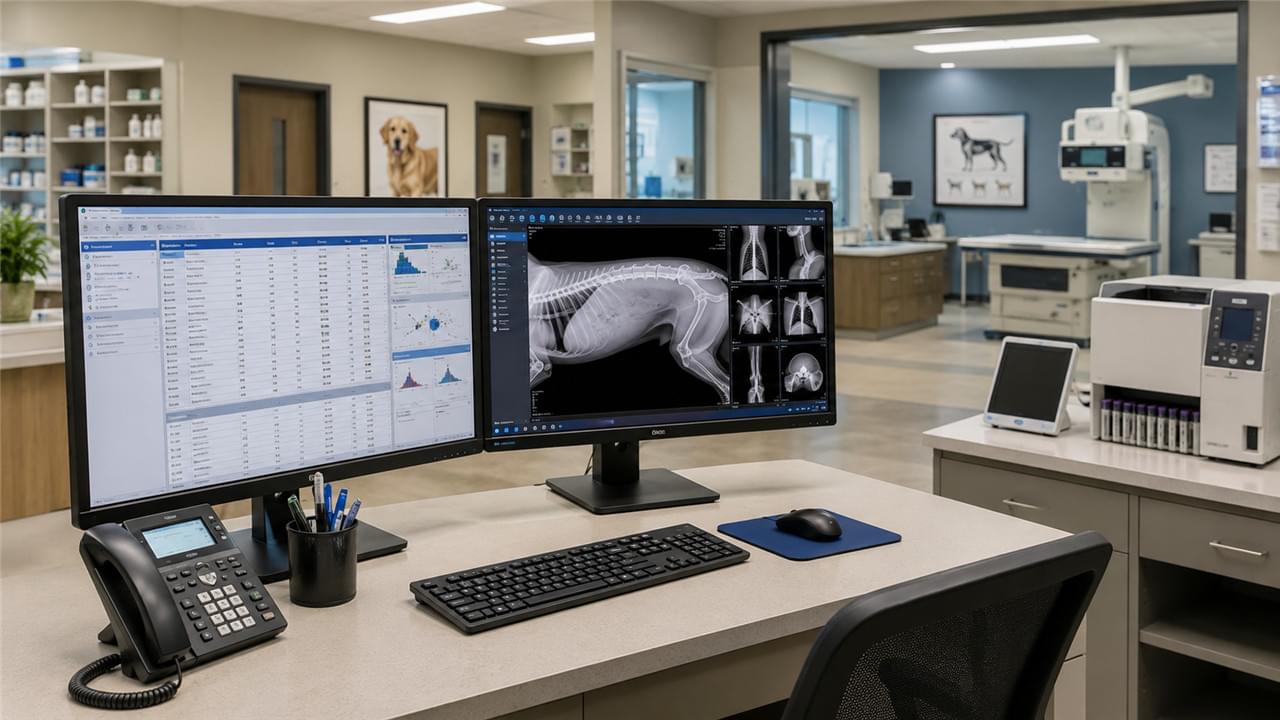
Veterinary ICU and critical care equipment often draws the line between a patient that survives a critical illness and one that doesn’t. It’s the quality, redundancy, and reliability of the gear supporting them through the most dangerous hours — because critical care isn’t just a room with a few monitors. It’s a precisely configured environment designed to catch deterioration early, sustain physiological function, and enable intervention within seconds, not minutes.
This guide walks through the complete framework for understanding, selecting, and deploying veterinary ICU and critical care equipment — whether you’re equipping a new dedicated ICU ward, upgrading a general recovery area, or building hospital-level critical care capability from scratch.
For broader hospital setup context, start with our Complete Guide to Veterinary Hospital Equipment Setup.
🏥 What Defines a Veterinary ICU — and Why Equipment Is Central
A veterinary ICU is different from a general recovery ward in three specific ways:
- Continuous or near-continuous monitoring — vital signs tracked at intervals of minutes, not hours
- Active physiological support — oxygen delivery, fluid management, thermoregulation, pain control
- Immediate intervention access — crash cart, defibrillator, and emergency drug kit within arm’s reach
The 3 Hallmarks of Veterinary ICU and Critical Care Equipment
Practices without true ICU infrastructure hospitalize critical patients in general wards with intermittent nursing checks — an approach that misses acute deteriorations and quietly contributes to worse outcomes. Investment in veterinary ICU and critical care equipment is, in the most literal sense, investment in survival rate.
📊 Core ICU Equipment Category 1: Vital Signs Monitoring Systems
Monitoring Systems: The Backbone of Veterinary ICU and Critical Care Equipment
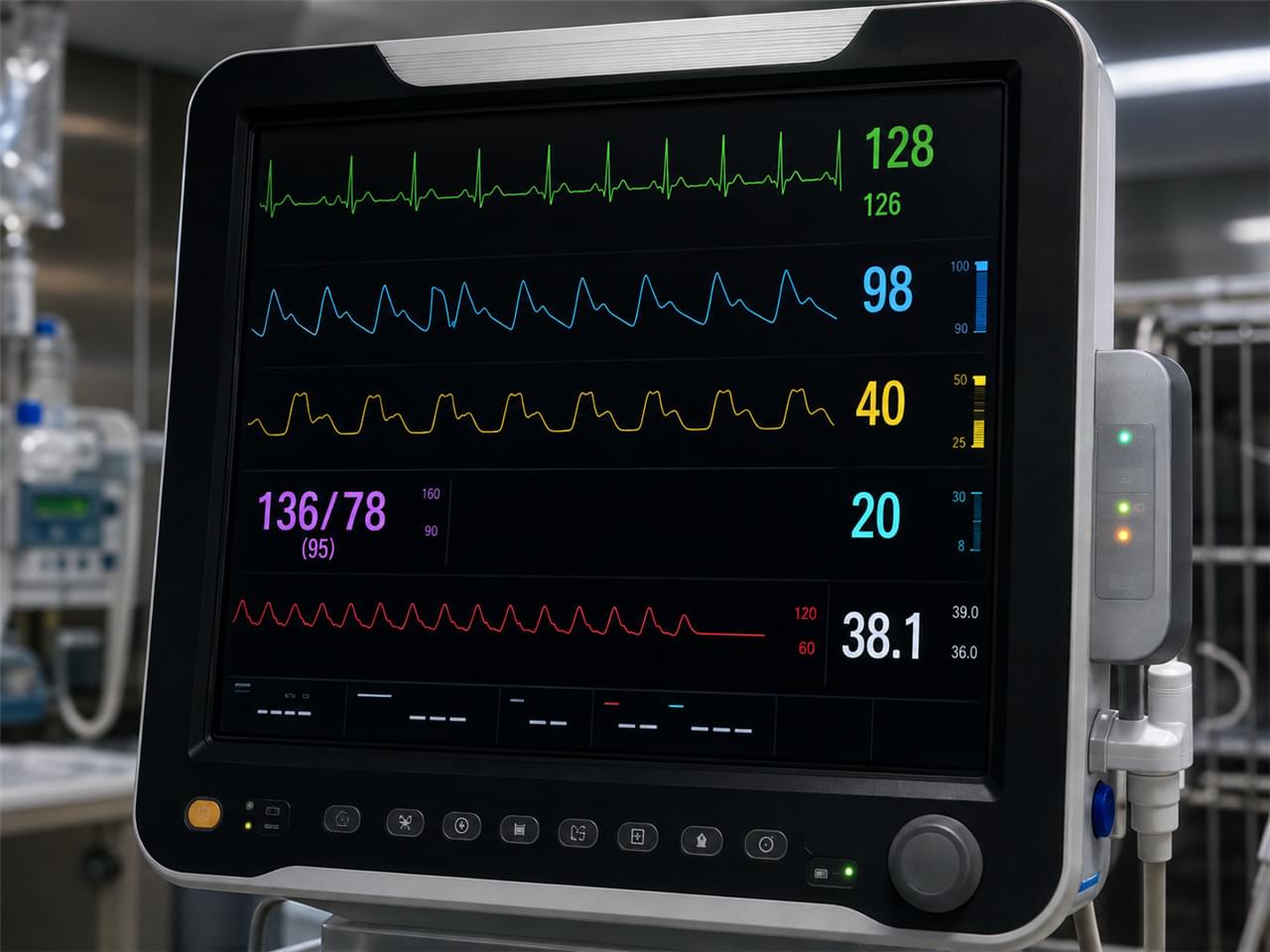
Monitoring is the backbone of ICU function. A veterinary ICU monitoring system must provide, at minimum:
Multi-Parameter Patient Monitors
- ECG (continuous): 3-lead or 5-lead cardiac monitoring for arrhythmia detection
- Pulse oximetry (SpO₂): Hemoglobin oxygen saturation — the first indicator of respiratory compromise
- Non-invasive blood pressure (NIBP): Automated cycling every 5–15 minutes for hemodynamic assessment
- Temperature: Continuous rectal or esophageal probe for hypothermia management
- Capnography (EtCO₂): For intubated or oxygen-mask patients — verifies ventilatory status
Advanced ICU Monitoring Parameters
- Invasive blood pressure (IBP): Continuous beat-to-beat pressure via arterial catheter — the gold standard for cardiovascular monitoring in shock patients
- Central venous pressure (CVP): Assesses venous return and fluid responsiveness
- Cardiac output monitoring: Advanced hemodynamic assessment for cardiogenic shock management
Every parameter above earns its place because it changes how fast you respond — and that speed is the entire point of veterinary ICU and critical care equipment. For ICUs managing post-anesthetic patients, monitoring needs overlap with the surgical suite — see Anesthesia Monitoring vs ICU Monitoring: Key Differences for a detailed comparison.
🐾 Core ICU Equipment Category 2: ICU Cage Systems
ICU Cage Systems: The Housing Half of Veterinary ICU and Critical Care Equipment
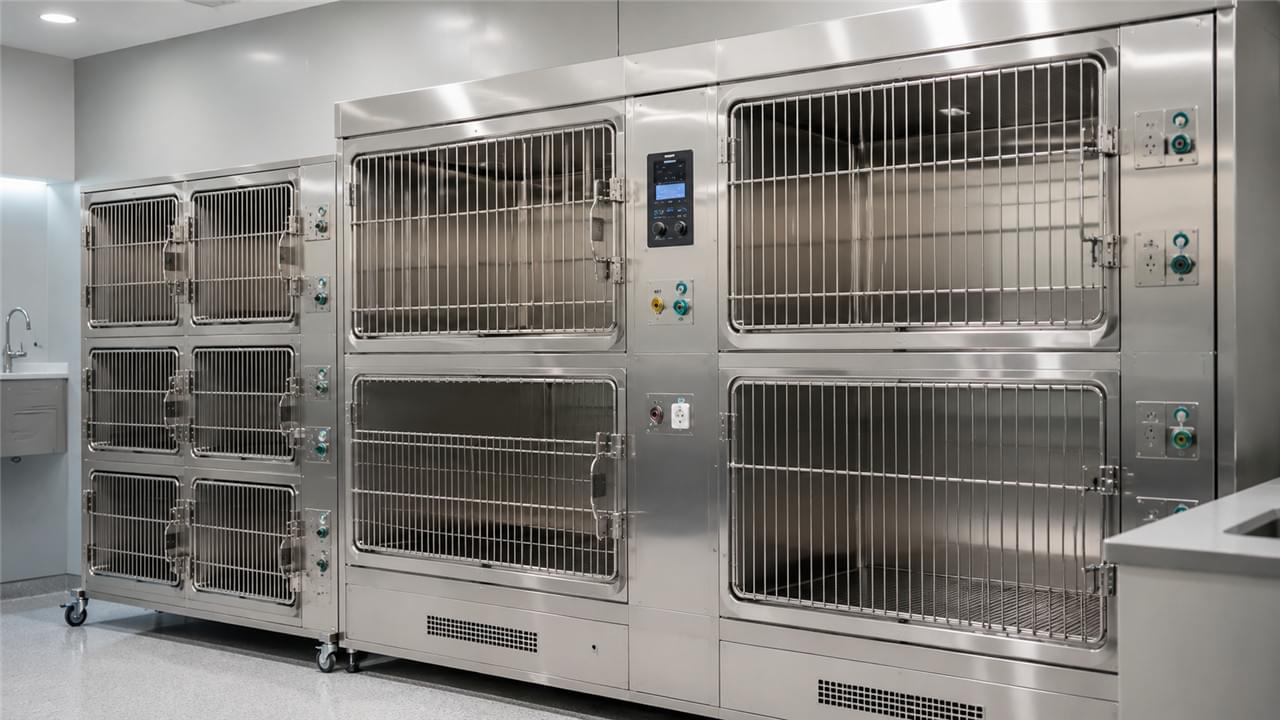
The physical housing of ICU patients directly affects their physiological status, nursing efficiency, and recovery trajectory. Modern veterinary ICU cage systems must deliver:
Structural Requirements
- Size range: A functional ICU ward needs cages from cat-sized (25×40×30 cm minimum) to large dog-sized (100×80×80 cm or walk-in) in a modular configuration
- Material: Stainless steel 304 or 316 for corrosion resistance — avoid galvanized or powder-coated steel in ICU environments that get disinfected constantly
- Door configuration: Double-door or full front-open doors for hands-free access during procedures; gull-wing or swing doors reduce patient stress during handling
Environmental Control Features
- Integrated oxygen supply ports: Each ICU cage should have a dedicated oxygen inlet for cage-level therapy — no external lines running across the floor
- Temperature control: Heated cage systems or heated floor panels — critical for post-surgical and neonatal patients; target internal cage temperature adjustable from 18°C to 38°C
- Humidity control: Higher-end systems integrate nebulizer connections for respiratory cases needing humidified oxygen
ICU Cage Design for Infection Control
- Sealed drainage to a central drain system
- Removable stainless steel shelves for cleaning between patients
- Physical isolation capability for infectious patients (solid partition walls, separate air exhaust)
Getting the housing right is half the battle in veterinary ICU and critical care equipment planning. For temperature control specifics, see: ICU Cage Systems and Temperature Control in Veterinary Care.
💧 Core ICU Equipment Category 3: Fluid Management Systems
Fluid Management: Life-Saving Veterinary ICU and Critical Care Equipment
Fluid therapy is the cornerstone of critical care treatment — and precise delivery is non-negotiable:
IV Fluid Pumps
- Syringe pumps: Precise low-volume delivery (0.1–99 mL/hr) for vasopressors, CRI medications, and feline protocols where over-delivery is dangerous
- Volumetric infusion pumps: Higher-volume delivery (1–999 mL/hr) for crystalloid resuscitation in large breeds; 2-channel pumps run simultaneous fluid types
Critical pump requirement: A drug library — pre-loaded concentration protocols for common ICU drugs (dopamine, dobutamine, fentanyl, ketamine CRI) — reduces dose calculation errors exactly when you can least afford them.
Fluid Warmers
Hypothermic patients receiving room-temperature IV fluids experience worsening core temperature depression — a significant contributor to coagulopathy and cardiac arrhythmia. In-line fluid warmers or bag warmers are standard veterinary ICU and critical care equipment for good reason: warm fluids save lives that cold fluids quietly cost.
🫁 Core ICU Equipment Category 4: Oxygen Therapy Systems
Oxygen Therapy: Veterinary ICU and Critical Care Equipment for Every Breath
Most critical care patients need supplemental oxygen at some point. A complete veterinary ICU oxygen system includes:
- Piped oxygen supply or concentrators: Concentrators (10 L/min output) are a reliable, cost-effective alternative to cylinder gas for continuous use
- Flow meters and regulators: Individual flow control per patient — wall-mounted or cage-mounted
- Oxygen hoods and flow-by systems: Non-invasive delivery for conscious patients
- Nasal oxygen cannulas: Higher-efficiency delivery for cooperative patients needing 30–50% FiO₂
- Oxygen cage: Controlled FiO₂ (21–60% adjustable) with temperature and humidity management — the most effective non-invasive delivery for severe respiratory compromise
Oxygen delivery options are the most frequently underestimated corner of veterinary ICU and critical care equipment — a single oxygen cage can be the difference between a respiratory patient going home and being referred out.
🚨 Core ICU Equipment Category 5: Emergency and Crash Cart Equipment
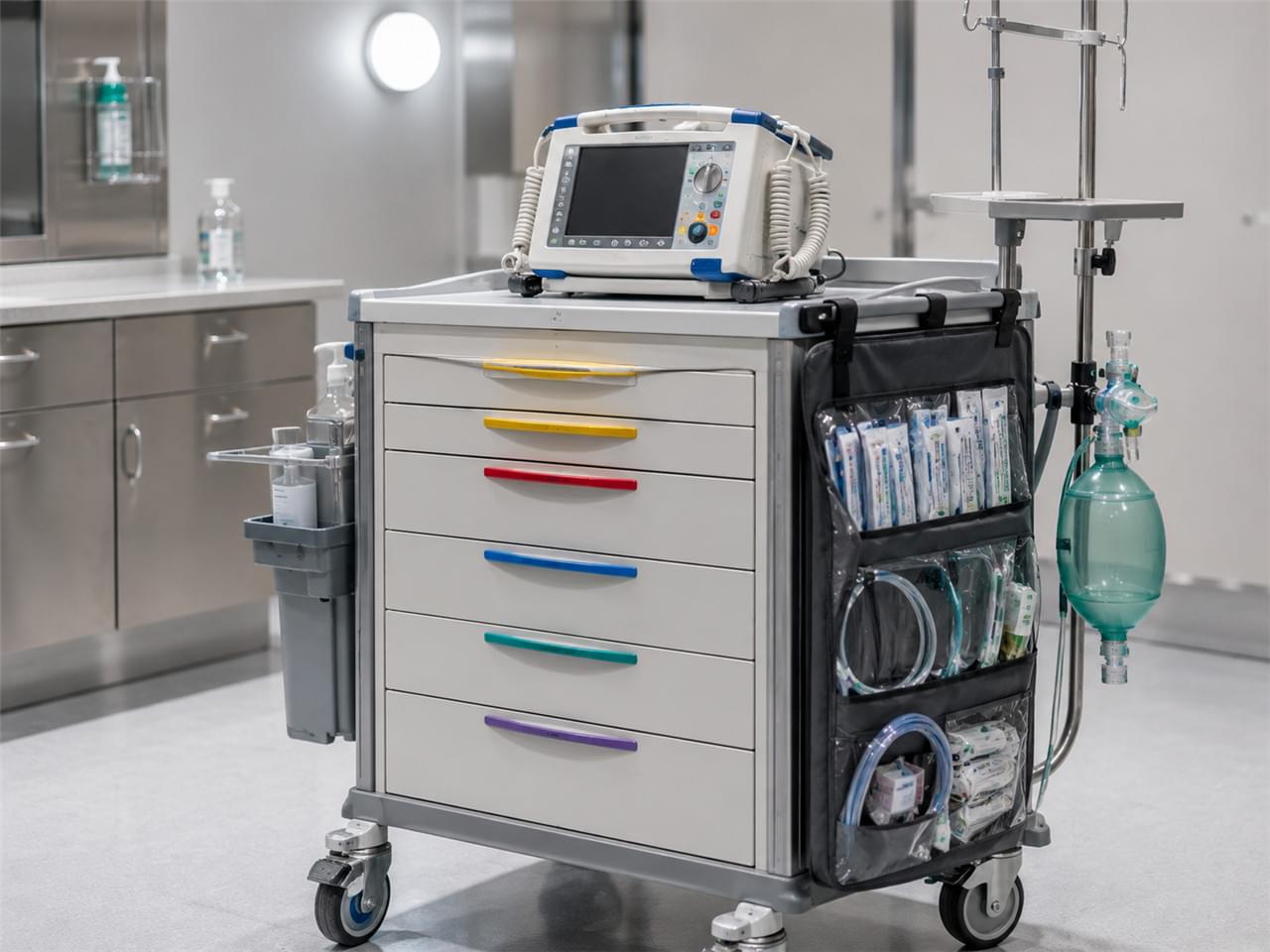
Crash Cart Essentials: Emergency Veterinary ICU and Critical Care Equipment
Every ICU and emergency area must have immediate access to resuscitation equipment. The crash cart minimum contents:
- Defibrillator / cardioverter: Biphasic manual defibrillator with ECG monitoring — automated external defibrillators are NOT appropriate substitutes for veterinary ICU use
- Endotracheal tubes: Full size range (2.5mm–14mm) ready for immediate intubation
- Laryngoscope: Handle + multiple blade sizes (Miller 0, 1, 2; Macintosh 2, 3)
- Ambu bag: Multiple sizes, connected to oxygen supply
- Emergency drug kit: Pre-drawn or pre-labeled syringes — epinephrine (0.01 mg/kg dose prepared), atropine, lidocaine, dextrose 50%, calcium gluconate
- IV catheter emergency set: 18G, 20G, 22G catheters + T-port connectors + tape + alcohol preps
- Cut-down surgical pack: For emergency vascular access when peripheral access is gone
A well-stocked veterinary crash cart equipment set is useless if it isn’t checked weekly — expired drugs and flat defibrillator batteries are the quiet failure modes of emergency preparedness. For a complete emergency checklist, see: Emergency Equipment Every Veterinary Hospital Should Have.
🫧 Core ICU Equipment Category 6: Ventilators
Ventilators: Advanced Veterinary ICU and Critical Care Equipment
Mechanical ventilation becomes necessary for patients with respiratory failure, severe neurological disease causing respiratory depression, or post-operative support after thoracic surgery.
ICU ventilators differ from anesthesia circuit ventilators in three ways:
- Designed for extended continuous use (hours to days) without volatile agent delivery
- More ventilation modes: volume-controlled, pressure-controlled, SIMV, and CPAP
- Patient-triggered modes allow assisted ventilation for conscious patients
For most practices, a ventilator is the last veterinary ICU and critical care equipment purchase on the roadmap — but when you need one, you need it immediately.
📈 How Proper ICU Equipment Improves Survival Rates
How Veterinary ICU and Critical Care Equipment Improves Survival
Veterinary emergency and critical care literature consistently shows the same pattern:
- Continuous ECG monitoring catches arrhythmias before they progress to cardiac arrest — most ICU deaths in dogs and cats are preceded by a detectable rhythm abnormality
- Continuous SpO₂ monitoring identifies hypoxemia 10–30 minutes before clinical signs (cyanosis) become visible
- Precise syringe pump delivery of vasopressors reduces toxicity while maintaining target MAP — critical in septic shock management
Each of these outcomes is directly attributable to a specific piece of veterinary ICU and critical care equipment — and each one compounds with the others. For a detailed review of how equipment investment translates into patient outcomes, see: How to Improve Survival Rates with Proper ICU Equipment.
❓ Frequently Asked Questions
Q: What is the minimum ICU equipment needed for a small animal practice to safely hospitalize critical patients?
A: At minimum: one 5-parameter patient monitor, a cage system with oxygen and heating capability, a syringe pump and a volumetric pump, a defibrillator, a crash cart with emergency drugs and intubation equipment, and an oxygen concentrator or cylinder supply. That baseline supports overnight management of post-surgical, shock, and respiratory patients with appropriate nursing ratios — and it’s the honest floor for safe critical care, regardless of practice size.
Q: How is veterinary ICU monitoring different from general ward monitoring?
A: ICU monitoring means continuous electronic display of vital parameters at the patient’s cage, with audible alarms for out-of-range values. General ward monitoring typically relies on periodic nursing checks every 2–4 hours. The clinical difference: a patient whose SpO₂ drops from 98% to 82% in 15 minutes is identified in under 1 minute on ICU monitoring — versus potentially 2+ hours on intermittent ward checks. That gap is the entire argument for veterinary ICU and critical care equipment.
Q: Do veterinary practices need a dedicated ICU room, or can ICU equipment be used in a general ward?
A: A dedicated ICU space with direct sightline to the nursing station is strongly preferred. Physical separation from general ward housing reduces noise stress for critical patients and provides infection control separation. That said, many general practices run effective ICU protocols within a partitioned section of the main ward — provided monitoring equipment and staff access are adequate.
✅ Building Your Critical Care Roadmap
Start with the monitoring backbone and a solid cage system, add fluid pumps and oxygen delivery as volume grows, and reserve the crash cart and ventilator until they’re operationally justified. Every upgrade should answer one question: does this piece of veterinary ICU and critical care equipment get us closer to catching the deterioration earlier? If yes, it earns its place.
Browse veterinary ICU and critical care equipment solutions to see what fits your hospital’s plan, and benchmark your setup against the WSAVA critical care standards and AVMA emergency care guidelines.