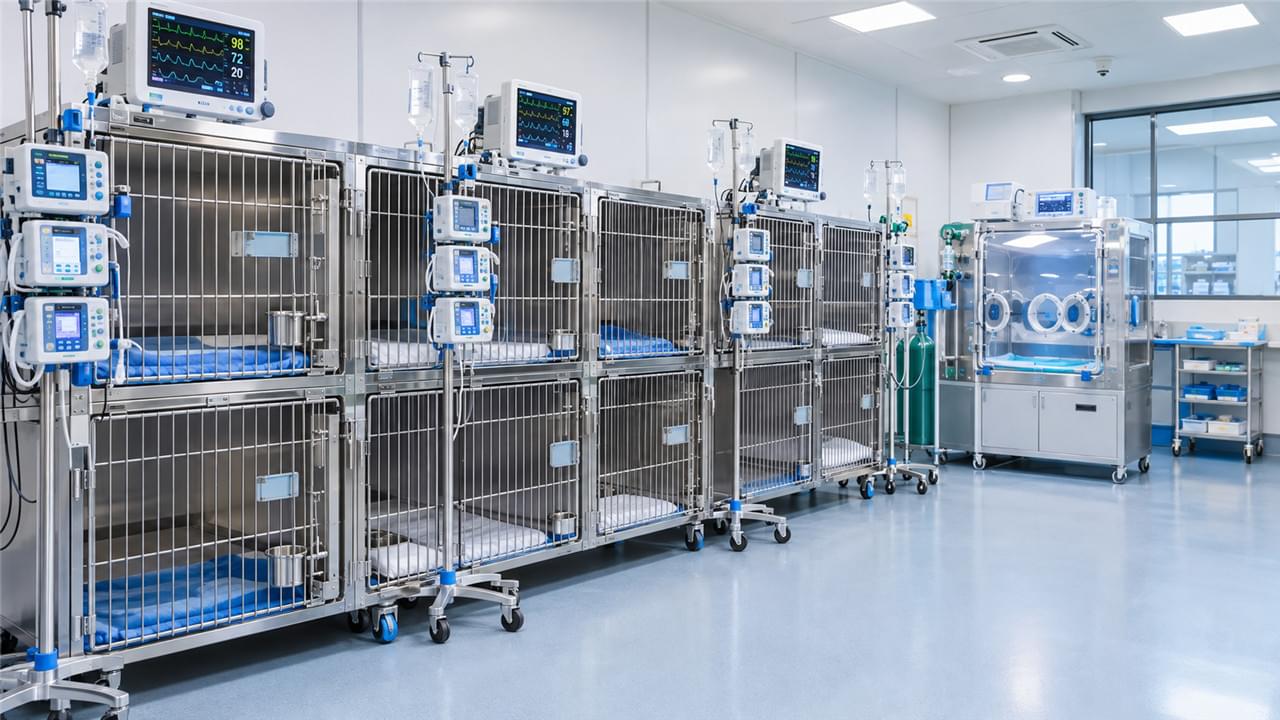
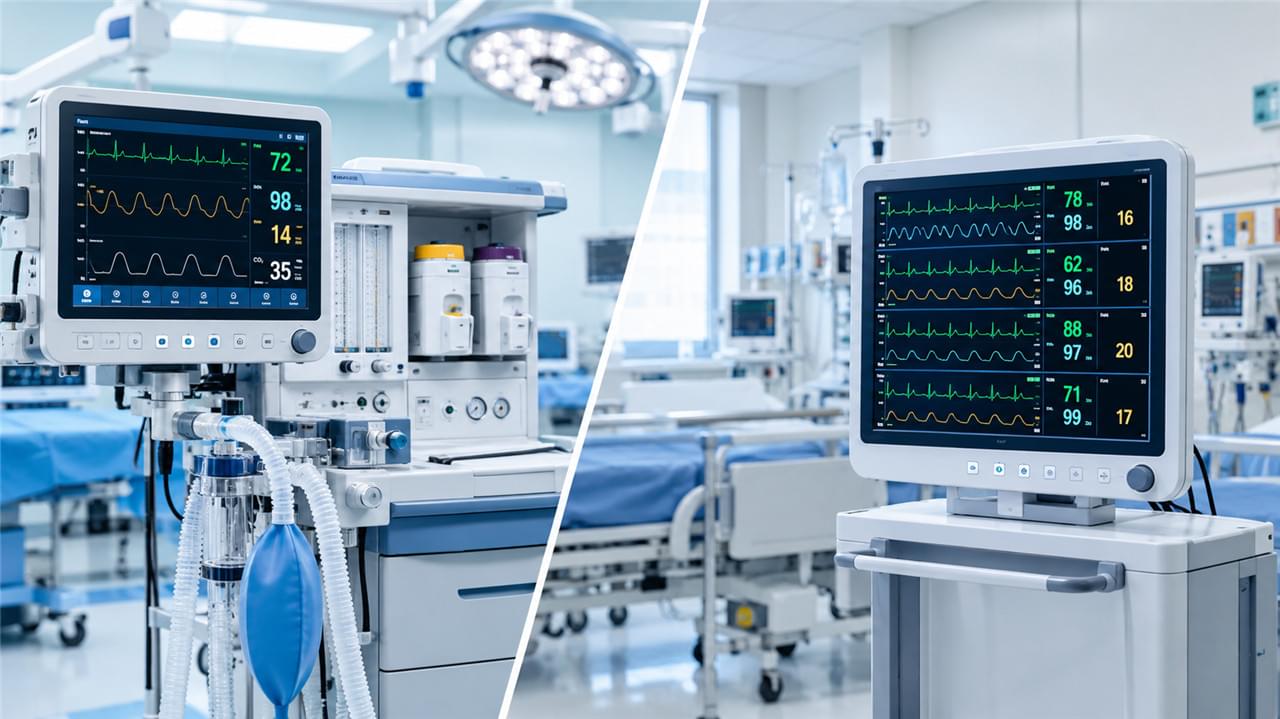
Let’s be honest — veterinary diagnostic equipment isn’t the flashiest topic in practice management. But here’s the truth: it’s the single biggest factor that separates a clinic that guesses from one that knows. When a dog walks through your door with vague symptoms, the gap between reaching for a stethoscope alone versus pulling up a digital radiograph and running an in-house CBC is the gap between “let’s wait and see” and “here’s exactly what we’re dealing with.”
I’ve watched clinics transform after investing strategically in veterinary diagnostic equipment, and the pattern never gets old. Practices that build out their diagnostic capability don’t just improve patient outcomes — they fundamentally change how their business operates. Faster diagnoses mean fewer hospitalized patients taking up cage space, more treatment revenue captured on the same visit, and a referral reputation that brings in cases from clinics still relying on clinical impression alone.
This guide covers the complete spectrum of veterinary diagnostic equipment — from the basic tools you need on opening day to the advanced imaging systems that set you apart in your market. Whether you’re planning a brand-new clinic or upgrading an established one, you’ll find a clear, actionable roadmap here — no fluff, no sales pitch, just what actually works. For a broader look at outfitting your entire facility, start with our Complete Guide to Veterinary Hospital Equipment Setup.
Why Your Veterinary Diagnostic Equipment Choices Define Your Practice
Think about the last three cases you referred out purely for diagnostics — cases where having the right veterinary diagnostic equipment in-house would have kept that revenue and trust firmly inside your practice. Each referral represented not just lost revenue, but lost trust. Clients want answers, and they want them now — not after a 48-hour external lab turnaround followed by a referral to a specialty center across town.
Here’s what strategic diagnostic investment actually looks like on the ground:
🔬 A digital X-ray system catches a pneumothorax on the same visit. No overnight monitoring, no deterioration overnight, no panicked 3 a.m. phone call to the on-call vet.
🧪 An in-house CBC analyzer spits out results in 10 minutes instead of 24 hours from a reference lab. You make the treatment decision right then and there, and the client pays for diagnostics and treatment on a single invoice — higher case revenue, happier client.
🫀 An ultrasound machine identifies a splenic mass during an emergency presentation. You refer to surgery within the hour, the patient survives, and your clinic earns a reputation for handling cases other practices would have shipped out immediately. None of these scenarios are hypothetical — they all hinge on having the right veterinary diagnostic equipment ready when the moment demands it.
The WSAVA diagnostic standards guidance puts this in clear terms: baseline diagnostic capability — including imaging and in-house laboratory testing — is now a core component of quality veterinary care worldwide. This isn’t a premium-tier luxury. It’s the modern standard of practice. The AVMA diagnostic imaging guidelines reinforce the same message, emphasizing that proper imaging protocols are fundamental to competent veterinary medicine, not optional extras for well-funded specialty centers.
If you’re serious about building a clinic that can actually diagnose what walks through the door, browse the diagnostic equipment solutions at veteqpt.com diagnostic equipment for a practical overview of what’s available across every tier.
🏥 Tier 1: Essential Veterinary Diagnostic Equipment Every Clinic Needs on Day One
Opening a new practice means every dollar has to earn its place. These are the non-negotiables — the foundational pieces of veterinary diagnostic equipment you cannot function without from day one.
Physical Examination Instruments: Your Daily-Driver Veterinary Diagnostic Equipment
These are the tools you’ll reach for on literally every exam. Skimp here and you’ll pay for it with missed diagnoses and frustrated clients.
🩺 Stethoscope — Cardiopulmonary auscultation isn’t optional. Go with at least a Littmann Classic III. Cheap stethoscopes miss subtle murmurs and crackles, and those misses turn into clinical failures you may never know about.
👂 Otoscope — Ear canal and tympanic membrane visualization. Chronic otitis cases depend on your ability to actually see what you’re treating, especially when the canal is stenotic and inflamed.
👁️ Ophthalmoscope — Fundic and anterior segment examination. Essential for senior wellness panels and any neurologic presentation. You’ll be surprised how often retinal changes give you the clue you need.
💓 Blood Pressure Monitor — Doppler or oscillometric (Cardell, SunTech are reliable choices). Hypertension in cats and senior dogs is massively underdiagnosed without routine screening, and the consequences — retinal detachment, renal damage, stroke — are catastrophic and preventable.
🌡️ Digital Thermometer — Rectal or infrared tympanic. Basic, cheap, indispensable.
🔬 Refractometer — Urine specific gravity and protein estimation. A tool that costs about $200 and gives you objective data in under 30 seconds. If you’re not using one routinely, you’re guessing on renal function more often than you think.
Point-of-Care Rapid Tests
These require zero capital equipment investment — you’re buying test kits, not machines — and they deliver immediate decision support for your most common presentations, complementing your capital veterinary diagnostic equipment at minimal incremental cost:
- Blood Glucose Meter — Veterinary-validated only. The AlphaTrak 2 (or equivalent) exists for a reason: human glucometers give you wrong numbers in cats and dogs, period.
- Heartworm / Tick-Borne Disease SNAP Tests — ELISA lateral flow format. Run one on every dog without a documented recent prevention history. The cost of the test is trivial compared to the cost of missing early heartworm disease.
- Feline FIV/FeLV Combination Tests — Standard of care for any sick cat, new adoption, or any feline with outdoor access. Screen early, manage accordingly.
- Parvovirus Antigen Test — When that puppy with acute vomiting and lethargy walks in, you need an answer in 10 minutes, not tomorrow morning.
🧪 Tier 2: In-House Veterinary Lab Equipment That Pays for Itself
If I had to rank veterinary diagnostic equipment investments by clinical utility per dollar spent, in-house veterinary lab equipment sits right behind digital X-ray. The economics are refreshingly simple: external labs charge per test and take 24-48 hours to return results. In-house analyzers cost more upfront but dramatically less per test, and results come back before the client even finishes their coffee in the waiting room.
Why In-House Veterinary Diagnostic Equipment Transforms Your Workflow
The clinical advantage of in-house veterinary diagnostic equipment isn’t subtle — and neither is the financial one. A sick cat presents with weight loss and polyuria. With an external lab, you draw blood, send it out, and call the client two days later with results — by which point the cat has deteriorated further. With in-house analyzers, you run a CBC and chemistry panel during the appointment, identify chronic renal failure on the spot, and start fluid therapy and dietary management that same day. Same cat, same disease, completely different clinical trajectory.
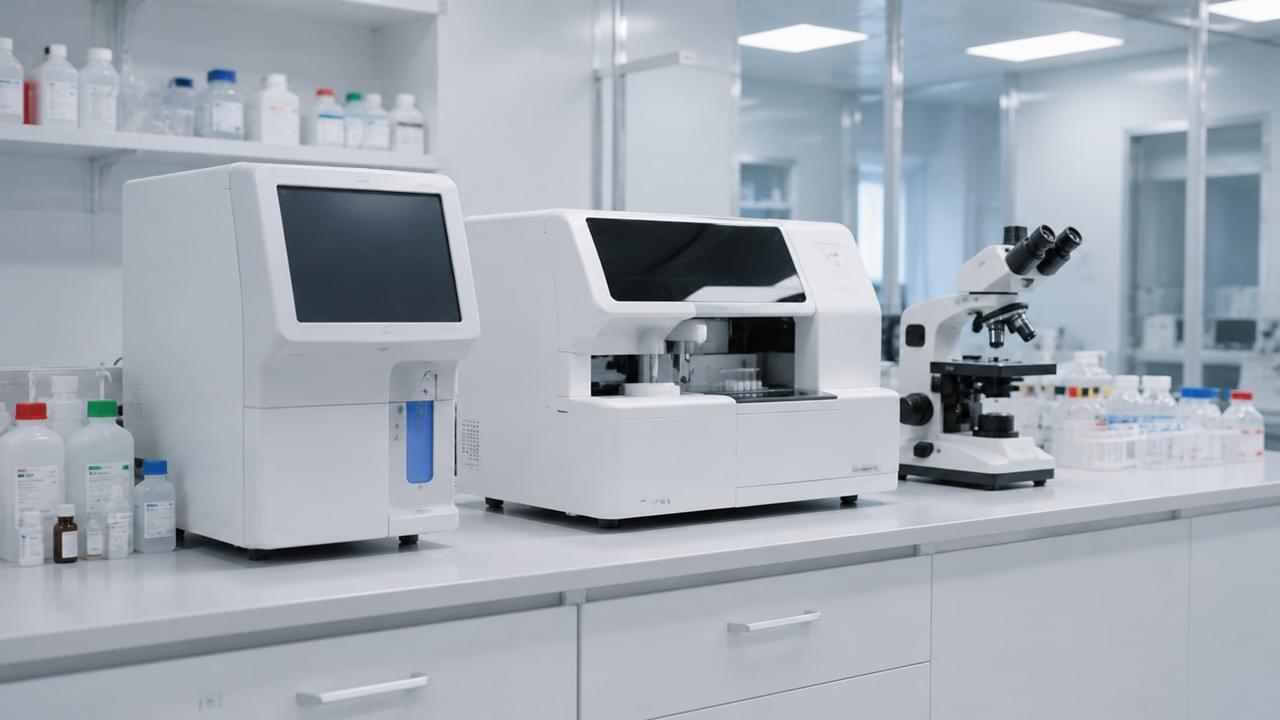
Hematology Analyzer
A complete blood count with 5-part white cell differential is your baseline for this core piece of veterinary diagnostic equipment. Target turnaround: 3-5 minutes per sample. One detail that trips up first-time buyers: the analyzer must be veterinary-validated for canine, feline, and ideally exotic species. Human hematology analyzers use different cell classification algorithms — they’ll routinely misidentify feline eosinophils and fail to flag nucleated red blood cells, both of which you’ll see frequently in sick animals.
Biochemistry Analyzer
Next to the hematology analyzer, the biochemistry analyzer is the most heavily utilized piece of veterinary diagnostic equipment in your in-house lab. Your chemistry panel needs to cover the full metabolic spread: BUN, creatinine, ALT, AST, ALP, GGT, total bilirubin, glucose, total protein, albumin, cholesterol, triglycerides, phosphorus, and calcium. An integrated electrolyte panel — sodium, potassium, chloride — saves you from running a separate test and adds maybe 90 seconds to turnaround. Expect 8-15 minutes for a complete panel.
Urinalysis System
Pair an automated urine dipstick reader with your refractometer and a decent centrifuge. In-house urinalysis transforms a “we’ll call you with results” visit into same-visit diagnosis for UTIs, crystalluria, and early renal disease. The dipstick reader alone eliminates the subjectivity and documentation headaches of visual color-matching.
Blood Gas and Electrolyte Analyzer
If your clinic handles any emergency or ICU caseload, this piece of veterinary diagnostic equipment is essential — not aspirational. Handheld units like the I-STAT (Abbott, widely adopted in veterinary medicine) measure pH, pCO₂, pO₂, HCO₃, base excess, and electrolytes simultaneously on 0.1-0.5 mL of blood. For a DKA case or a blocked cat, those numbers change your fluid therapy plan in ways that clinical judgment alone cannot match.
Microscope
Often overlooked in discussions about high-tech veterinary diagnostic equipment, a binocular compound scope with 4×, 10×, 40×, and 100× oil objectives quietly handles urine sediment, fine needle aspirates, ear cytology, and blood film evaluation. A digital camera attachment is now increasingly standard — capture images for the medical record and share them with clients or consulting specialists without awkward verbal descriptions.
Need help weighing the numbers? Our In-House Lab vs External Lab: Equipment Decision Guide walks through the full cost-benefit analysis.
🖥️ Tier 3: Veterinary Diagnostic Imaging Equipment — Ultrasound Systems
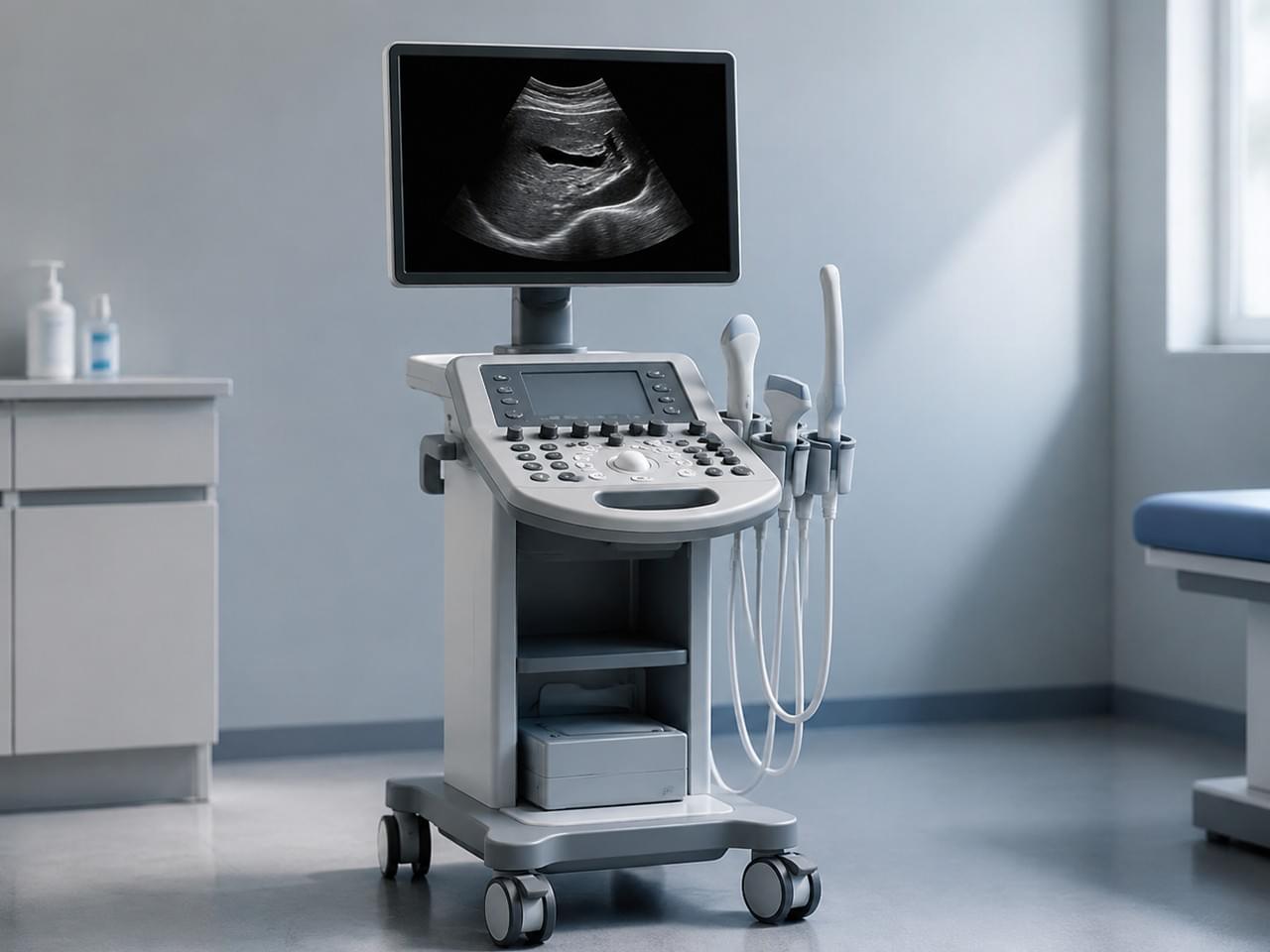
After radiography, ultrasound delivers the highest clinical value of any veterinary diagnostic imaging equipment on the market — and for many clinics, it’s the single piece of veterinary diagnostic equipment that most dramatically expands their in-house diagnostic capabilities. What makes it uniquely powerful? It’s non-invasive, radiation-free, and gives you real-time, dynamic information about organ architecture, blood flow patterns, and tissue characteristics that static radiographs simply cannot capture.
A capable ultrasound system opens up clinical applications across your entire caseload:
🔍 Abdominal assessment — Liver, spleen, kidneys, adrenals, pancreas, bladder, prostate, and uterus in real time, with the ability to assess echotexture, vascularity, and architecture that radiographs completely miss.
🫀 Cardiac evaluation — Echocardiography for structural heart disease, pericardial effusion, chamber dimensions, and functional assessment. Even basic cardiac ultrasound skills dramatically expand what you can diagnose in-house.
🫁 Thoracic assessment — Pleural effusion detection and characterization, lung consolidation patterns, and guidance for thoracocentesis when you’d otherwise be working blind.
💪 Musculoskeletal imaging — Tendon and ligament integrity, joint effusion, and soft tissue masses that don’t show up on X-ray.
🎯 Guided sampling — Ultrasound-guided FNA and biopsy with dramatically better diagnostic yield than blind techniques. You hit what you’re aiming at, and you avoid structures you shouldn’t be near.
Veterinary Diagnostic Imaging Equipment: Ultrasound Tiers Compared
Choosing an affordable veterinary ultrasound machine that still delivers genuine clinical value means understanding what each tier actually does — and what it doesn’t:
📱 Entry-Level Portable (Laptop/Tablet Form Factor): B-mode with a single micro-convex probe (5-8 MHz) for abdominal work. You’ll spot free fluid, assess bladder wall thickness, and identify large masses without difficulty. But cardiac work, small structure detail, and anything requiring Doppler will frustrate you. Budget: $5,000-$12,000.
🖥️ Mid-Range Cart-Based: Multiple probe connectivity (micro-convex + linear) plus Color and Power Doppler. This is the sweet spot for most general practices — solid abdominal screening plus the ability to begin building cardiac skills. The linear probe opens up tendon, thyroid, and small-part imaging. Budget: $15,000-$35,000.
🏥 Advanced Cart-Based with Full Echocardiography: All Doppler modes (Color, Power, Pulsed-Wave, Continuous-Wave), high-frame-rate cardiac imaging, and tissue harmonics for superior resolution. If you’re serious about cardiac work or plan to offer echocardiography as a billed service, this is where you need to be. Budget: $35,000-$80,000+.
For the full selection framework matching equipment to your specific caseload, read our guide on How to Choose Veterinary Ultrasound Equipment.
⚡ Tier 4: Digital X-Ray Systems — The Foundation of Veterinary Diagnostic Imaging Equipment
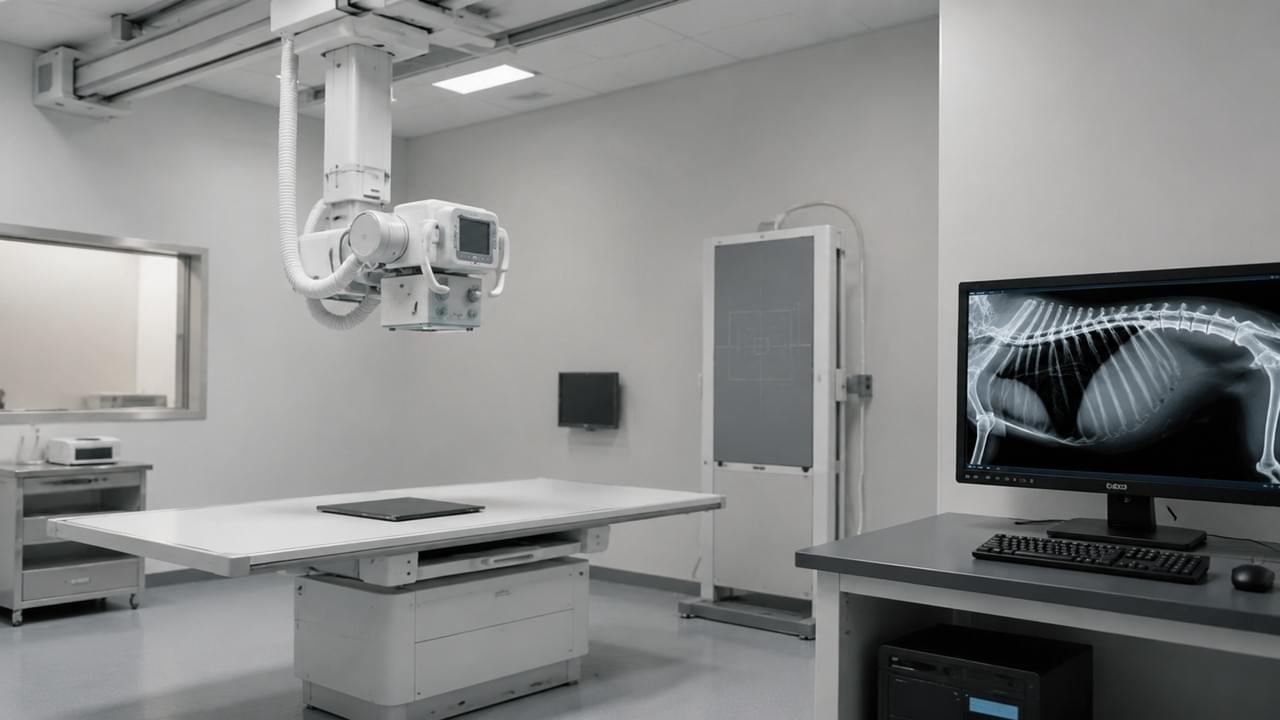
Digital radiography is the undisputed workhorse of veterinary diagnostic imaging equipment, and modern DR systems have made film/screen radiography and even computed radiography (CR) obsolete in new installations — and for good reason: no other piece of veterinary diagnostic equipment delivers as many diagnoses per day as a properly spec’d digital X-ray system. The advantages aren’t marginal — they’re decisive. Superior image quality. Images available in 3-5 seconds instead of several minutes. No chemical processing, no darkroom maintenance, no film storage headaches. Lower long-term operating cost despite higher upfront investment.
Flat-Panel Detectors: The Core of Modern Veterinary Diagnostic Equipment
Today’s gold standard is the flat-panel detector — a wireless or wired panel that completely replaces the traditional film cassette. Position the patient, make the exposure, and the image pops up on your workstation monitor almost before you’ve finished repositioning. No cassettes to juggle, no separate reader to maintain, no processing artifacts to troubleshoot.
Here’s what actually matters when comparing systems:
📐 Detector size — 14×17″ (35×43 cm) covers most small animal applications comfortably. If you’re doing a lot of large-breed thoracic work, a wireless 17×17″ panel gives you maximum flexibility for table-top positioning without wrestling with a tethered cable.
🔎 Pixel pitch — 100-200 microns. Lower pitch means higher inherent resolution, and that matters for fine bone detail and early interstitial lung patterns. You’ll see the difference clinically, especially in feline thoracic radiographs.
📊 DQE (Detective Quantum Efficiency) — ≥60%. This is the specification that determines real-world clinical image quality. Higher DQE translates directly to dose reduction with maintained diagnostic quality — better for your staff, better for your patients.
💻 Software — Veterinary-specific DICOM software with species positioning templates, breed-specific bone measurement libraries, and PACS integration. Repurposed human radiology software will frustrate you every single day.
For a complete selection framework, see: Digital X-Ray Systems for Veterinary Clinics: Key Considerations.
🧠 Tier 5: Advanced Veterinary Diagnostic Equipment — CT, MRI, and Nuclear Medicine
This tier represents the leading edge of veterinary diagnostic equipment — modalities that were historically exclusive to university teaching hospitals and large specialty referral centers, but are increasingly finding their way into well-capitalized private practices in major metropolitan markets.
Computed Tomography (CT)
CT is the gold standard for orthopedic, neurologic, and oncologic staging — and the most capital-intensive piece of veterinary diagnostic equipment most private practices will ever evaluate. A 16-slice system is now widely considered the baseline for small animal imaging. But the clinical capabilities come with real infrastructure demands: lead shielding, a dedicated room of at least 15-25 m², and 3-phase power supply. Budget realistically: $150,000-$600,000 for a veterinary-grade system.
Magnetic Resonance Imaging (MRI)
MRI delivers soft tissue contrast that CT cannot approach — making it the definitive piece of veterinary diagnostic equipment for intracranial, spinal, and musculoskeletal conditions where tissue characterization matters more than spatial resolution. Low-field open systems (0.3T) offer lower cost and simpler installation at the expense of image quality. High-field closed systems (1.5T) produce the diagnostic quality that specialists and referral surgeons actually want to see. Budget: $250,000-$1,500,000+.
Nuclear Medicine / Scintigraphy
Functional imaging for thyroid, bone, and hepatic portal assessment. The regulatory framework for radioisotope handling is substantial and non-negotiable, which keeps adoption limited to licensed university and specialty facilities.
📊 Building Your Diagnostic Capability: A Phased Investment Roadmap
| Phase | Timeline | Equipment Additions |
|---|---|---|
| 🟢 Opening | Day 1 | Physical exam instruments, POC rapid tests, hematology + chemistry analyzers, digital X-ray |
| 🔵 Phase 2 | Month 3-6 | Veterinary ultrasound (basic portable), urinalysis system, blood gas analyzer |
| 🟡 Phase 3 | Year 1-2 | Upgrade ultrasound (mid-range with Doppler), dental X-ray system |
| 🔴 Phase 4 | Year 2-5 | Advanced ultrasound / echocardiography, CT (if caseload supports the investment) |
🔧 Diagnostic Workflow Optimization — Don’t Let Great Equipment Collect Dust
Here’s an uncomfortable truth I’ve seen play out in clinics more times than I can count: buying the best veterinary diagnostic equipment on the market means absolutely nothing if your workflow creates bottlenecks that neutralize its value. I’ve walked into practices with $200,000 worth of imaging equipment where exactly one person knew how to operate the DR system. On a busy Tuesday, that single point of failure meant radiographs that should have taken five minutes dragged out to thirty — and the waiting room turned into a pressure cooker.
Three things make the difference between equipment that collects dust and equipment that transforms your practice:
📋 Standardize diagnostic protocols for your highest-frequency presentations — respiratory distress, acute abdomen, urinary obstruction. When every team member knows which tests run for which presentation without asking, you eliminate diagnostic drift and ensure your veterinary diagnostic equipment gets used systematically rather than sporadically when someone remembers it exists.
💻 Integrate your PACS and LIS systems. Lab results and imaging studies should live on the same clinical workstation, accessible with the same login. Data silos create friction, and friction burns time your clinicians simply don’t have on a fully booked day.
👥 Train every staff member on equipment operation. Not just the senior veterinarian. Not just the head technician. Everyone who might need to use it. A DR system that depends on one operator is not a diagnostic asset — it’s a single point of failure disguised as an investment.
For a comprehensive walkthrough of tightening up your diagnostic processes, read our guide on Diagnostic Workflow Optimization for Veterinary Hospitals.
❓ Frequently Asked Questions
Q: What’s the single most important diagnostic equipment investment for a new veterinary clinic?
A: Digital X-ray paired with in-house hematology and chemistry analyzers delivers the broadest clinical utility and the fastest return on investment for any new practice. Together, these two capabilities let you definitively diagnose the overwhelming majority of general small animal presentations without sending clients elsewhere for basic diagnostics. Plan to add an affordable veterinary ultrasound machine within your first 6-12 months — your veterinary diagnostic equipment capabilities expand rapidly once imaging enters the picture.
Q: How do I choose between different brands of veterinary diagnostic analyzers?
A: Evaluate four criteria when comparing veterinary diagnostic equipment brands, in this order. First, veterinary species validation — does the analyzer have published reference ranges and peer-reviewed validation studies for the species you actually treat? Second, reagent cost per test — this determines your ongoing operating cost, and over a 5-year timeline it matters far more than the purchase price. Third, service availability in your geographic market — a 3-week repair turnaround is clinically unacceptable when you’ve built your workflow around in-house testing. Fourth, integration with your practice management software — direct data transfer eliminates transcription errors that can have real, harmful clinical consequences.
Q: Can a small animal clinic realistically justify a CT scanner?
A: Yes — but only when your caseload supports it. Clinics in major urban markets that actively work up neurologic, orthopedic, and oncologic cases can justify CT investment at roughly 3-5 studies per week. At that volume, case revenue typically covers equipment lease payments and operating costs without stress. Many smaller clinics choose a fractional CT model as an intermediate step — shared ownership or revenue-sharing with a specialist group — which gives you access to advanced veterinary diagnostic equipment without the full capital commitment.