Opening a new veterinary facility is an exciting milestone, but many practices encounter serious operational issues because of veterinary clinic setup mistakes made during the planning stage. These errors rarely happen because of poor intentions—they usually result from predictable oversights that experienced consultants see repeatedly.
Understanding the most common veterinary clinic setup mistakes before investing in equipment or construction can dramatically reduce risk. A well-planned clinic not only avoids unnecessary expenses but also creates a smoother workflow for veterinarians, technicians, and patients.
This guide explains the 10 most consequential mistakes clinics make when designing and equipping a facility, along with practical strategies to prevent them. For a full planning framework, refer to our Complete Guide to Veterinary Hospital Equipment Setup.
1. 🏗️ Veterinary Clinic Setup Mistakes: Buying Equipment Before the Floor Plan Is Final
One of the most expensive veterinary clinic setup mistakes occurs when equipment is ordered before the architectural layout is finalized.
Without a confirmed floor plan, clinics often discover installation conflicts during the construction phase. Equipment may not fit the allocated room, electrical requirements may be insufficient, or the layout may disrupt staff workflow.
These issues frequently lead to costly redesigns or replacement purchases.
How to avoid it
✔ Finalize the architectural floor plan before ordering equipment
✔ Confirm room dimensions with contractors
✔ Share layout plans with equipment suppliers to verify compatibility
Careful planning at this stage prevents installation delays and unnecessary expenses.
2. 💰 Veterinary Clinic Setup Mistakes: Overspending on Reception, Underspending on Diagnostics
Another common veterinary clinic setup mistake is prioritizing aesthetics over clinical capability.
New clinic owners sometimes allocate large portions of their budget to reception design—premium furniture, luxury flooring, or elaborate signage—while reducing investment in diagnostic equipment.
While a welcoming environment matters, clients ultimately evaluate a clinic based on medical outcomes and professional expertise, not waiting-room décor.
How to avoid it
A balanced budget typically allocates:
- 45–65% to diagnostic imaging and clinical systems
- 20–30% to surgical and anesthesia equipment
- The remaining budget to facility aesthetics
This ensures clinical departments remain fully functional.

3. ⚙️ Veterinary Clinic Setup Mistakes: Using Consumer-Grade Equipment
Choosing consumer-grade devices is another critical veterinary clinic setup mistake that can compromise reliability.
Veterinary clinics require equipment designed for continuous clinical use. Consumer products may appear cheaper but often lack durability, precision, or compliance with medical standards.
Common examples include:
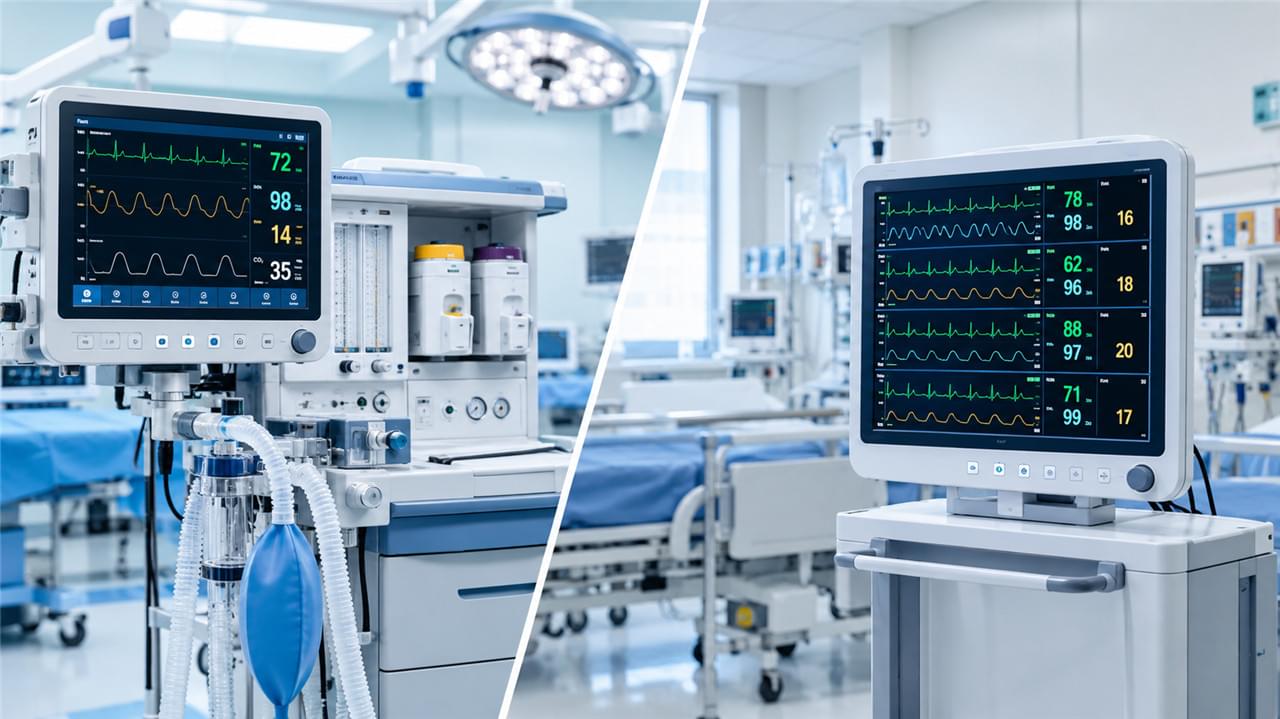
- Non-medical anesthesia monitors
- Human imaging equipment lacking veterinary software
- Diagnostic analyzers without veterinary reference ranges
How to avoid it
Always request proof of certification such as CE marking or ISO manufacturing compliance. For laboratory analyzers, ensure that veterinary-validated reference ranges are available.
4. 📜 Veterinary Clinic Setup Mistakes: Ignoring Licensing and Regulatory Requirements
Many veterinary clinic setup mistakes occur because regulatory requirements are overlooked during planning.
Regulations can vary significantly depending on location, but common compliance requirements include:
- Radiation shielding for X-ray rooms
- Sterilization documentation for autoclaves
- Secure storage for controlled substances
- Waste anesthetic gas scavenging systems
- Isolation rooms for infectious diseases
Many clinics only discover these requirements during final inspections, which can cause costly delays.
How to avoid it
Before starting construction, obtain the veterinary licensing checklist from your local authority. International organizations such as the American Veterinary Medical Association and the World Small Animal Veterinary Association provide facility guidelines commonly referenced worldwide.
5. 💡 Veterinary Clinic Setup Mistakes: Underestimating Installation and Training Costs
Another overlooked category of veterinary clinic setup mistakes involves hidden operational costs.
The purchase price of equipment is only one part of the total investment. Additional costs typically include:
- Installation fees
- Staff training programs
- Calibration and commissioning
- Initial consumables such as reagents and sterilization supplies
Without budgeting for these items, clinics may find themselves unable to operate equipment efficiently.
How to avoid it
Include an additional 20% contingency budget to cover installation, training, and initial operational costs.
6. 📈 Veterinary Clinic Setup Mistakes: Buying Equipment Only for Current Demand
Many new clinics make the veterinary clinic setup mistake of purchasing the lowest-cost equipment available to minimize startup investment.
However, patient numbers often increase significantly within the first two years of operation. When equipment capacity is limited, clinics must upgrade earlier than expected.
How to avoid it
Project your expected caseload growth for the next three years. Choose scalable equipment platforms, especially for:
- Diagnostic imaging systems
- Patient monitoring systems
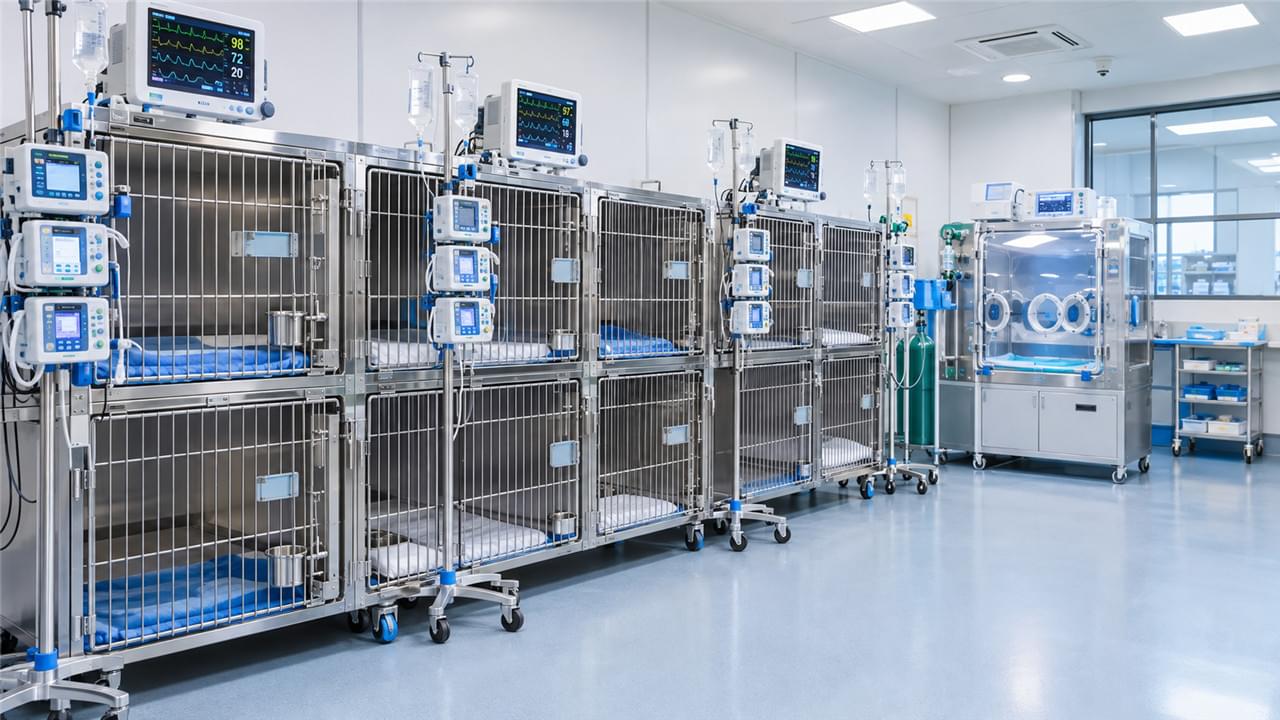
- Cage and hospitalization units
Planning for growth reduces long-term costs.
7. 🔗 Veterinary Clinic Setup Mistakes: Using Too Many Equipment Vendors
Sourcing equipment from multiple suppliers without coordination is another common veterinary clinic setup mistake.
While comparing vendors may reduce equipment costs, it often complicates installation schedules and warranty management. Delays in delivery or installation can quickly disrupt construction timelines.
How to avoid it
Consider working with a one-stop veterinary equipment supplier or appoint a project manager responsible for coordinating procurement, logistics, and installation schedules.
8. 🧼 Veterinary Clinic Setup Mistakes: Neglecting Sterilization Infrastructure
Sterilization planning is often underestimated when designing a clinic, making it a frequent veterinary clinic setup mistake.
Operating with only one autoclave and limited instrument inventory can create workflow bottlenecks on busy surgical days.
How to avoid it
A well-designed sterilization workflow should include:
- An ultrasonic cleaner
- A Class B autoclave
- Multiple surgical instrument sets
- A sterilization documentation system
These elements ensure safe and efficient surgical procedures.
9. 🏥 Veterinary Clinic Setup Mistakes: Poor Sterilization Room Placement
Even clinics that invest in sterilization equipment sometimes commit a critical veterinary clinic setup mistake—placing the sterilization room in the wrong location.
Improper placement forces staff to carry contaminated instruments through clean areas, increasing infection risks.
How to avoid it
Design sterilization areas with clear separation between dirty and clean zones. Ideally, the sterilization room should sit next to the surgical suite and include pass-through sterile storage.
10. 🌐 Veterinary Clinic Setup Mistakes: Failing to Plan IT Infrastructure
Modern veterinary equipment relies heavily on digital connectivity. Ignoring IT infrastructure is another growing veterinary clinic setup mistake.
Diagnostic imaging systems, patient monitors, and laboratory analyzers often require stable data networks.
Clinics built without proper networking frequently encounter system failures that disrupt operations.
How to avoid it
Your clinic design should include:
- Structured network cabling
- Dedicated wired connections for medical equipment
- Adequate data ports in each clinical room
- Secure network segmentation
Wireless networks alone are rarely sufficient for high-volume imaging systems.
Frequently Asked Questions
1.What is the most expensive veterinary clinic setup mistake?
The most costly veterinary clinic setup mistake is purchasing equipment before finalizing the floor plan. This can lead to incompatible installations, redesign costs, and delays that postpone clinic opening.
2.How can clinics avoid regulatory problems during setup?
The best approach is to consult your local veterinary licensing authority during the design phase. Using their inspection checklist as a planning guideline ensures compliance before construction begins.
3.Is refurbished equipment safe for new clinics?
Refurbished equipment can be acceptable for low-complexity items such as exam tables. However, complex systems like imaging equipment or anesthesia machines should only be used if they include maintenance records, calibration certificates, and active service contracts.