Veterinary anesthesia systems are among the most important components of any surgical facility. Even routine procedures can quickly become high-risk if oxygen delivery, ventilation, anesthetic depth, or patient monitoring are not managed correctly.
A modern anesthesia setup does far more than deliver anesthetic agents. It supports respiratory function, improves monitoring accuracy, reduces complications, and helps veterinary teams respond quickly to changing patient conditions.
In this guide, we’ll explore the essential equipment that forms effective veterinary anesthesia systems, how each component contributes to safer outcomes, and what practices should consider when selecting equipment.
For a complete overview of operating room planning, see our guide on Veterinary Surgical Suite Equipment: Systems, Standards & Selection:
https://www.veteqpt.com/veterinary-surgical-suite-equipment
Why Veterinary Anesthesia Systems Matter
Every anesthetized patient experiences physiological changes that can affect respiration, circulation, and body temperature.
Common anesthesia-related risks include:
⚠️ Respiratory depression
⚠️ Hypoventilation
⚠️ Hypothermia
⚠️ Hypotension
⚠️ Cardiac arrhythmias
Properly designed veterinary anesthesia systems help clinicians identify these issues early and maintain stable physiological conditions throughout surgery.
Understanding the Veterinary Anesthesia Machine
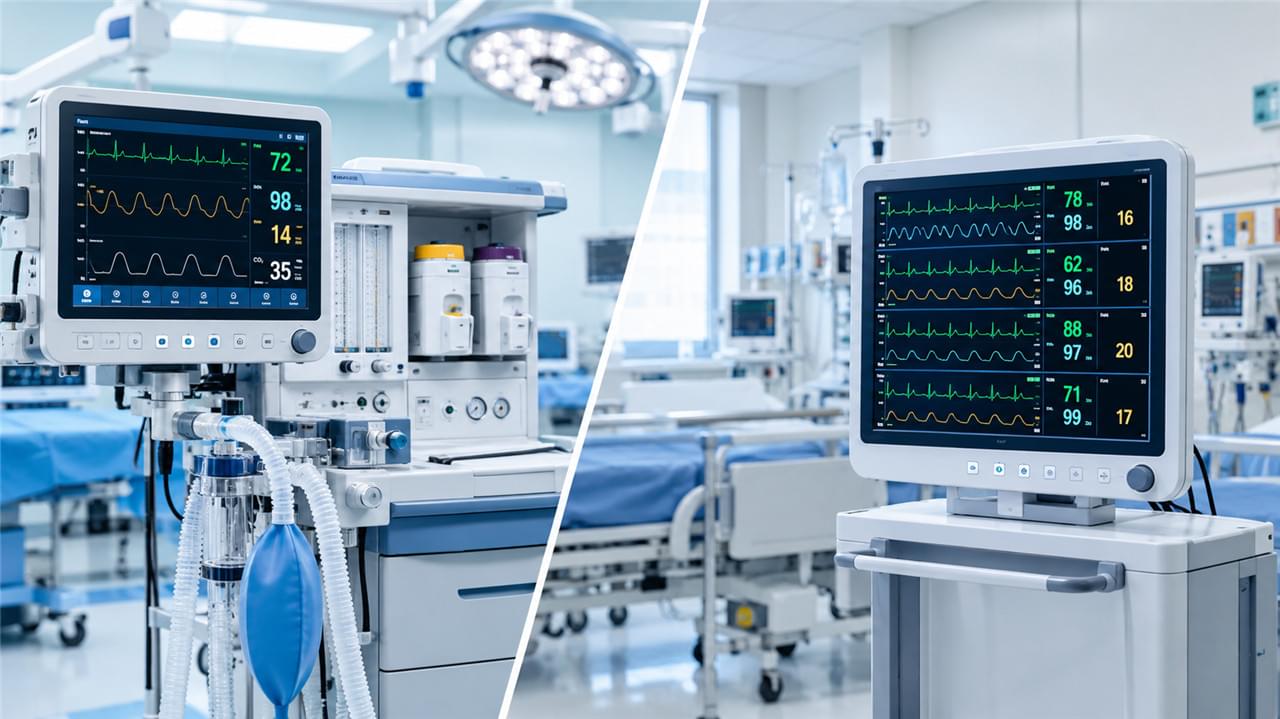
At the center of every veterinary anesthesia machine setup is a collection of components responsible for delivering oxygen and anesthetic gases safely.
Vaporizer Selection
The vaporizer regulates the concentration of inhalant anesthetic delivered to the patient.
Isoflurane Vaporizers
✅ Lower operating cost
✅ Common in general veterinary practice
✅ Suitable for routine surgical procedures
Sevoflurane Vaporizers
✅ Faster induction and recovery
✅ Better anesthetic control
✅ Preferred for pediatric, exotic, and high-risk patients
Because inaccurate vaporizer output can affect anesthetic depth, annual calibration and maintenance should never be overlooked.
Breathing Circuits: Rebreathing vs Non-Rebreathing
Breathing circuits are a critical part of veterinary anesthesia systems because they directly influence ventilation efficiency and patient safety.
Circle Rebreathing Systems
Typically used for patients weighing more than 7 kg.
Benefits include:
✔ Reduced anesthetic gas consumption
✔ Better humidity retention
✔ Improved heat conservation
✔ Lower operating costs over time
The system removes carbon dioxide through an absorber canister before recycled gas returns to the patient.
Non-Rebreathing Systems
Commonly used for:
🐱 Cats
🐰 Exotic animals
🐾 Neonatal patients
🐕 Small dogs under 3–7 kg
These circuits provide lower breathing resistance but require significantly higher fresh gas flow rates to prevent carbon dioxide accumulation.
CO₂ Absorbers and Carbon Dioxide Control
The CO₂ absorber prevents excessive carbon dioxide from being rebreathed.
Soda lime remains the most common absorbent material. As absorption capacity becomes exhausted, indicator granules typically change color.
Signs replacement may be required include:
🔹 Color indicator change
🔹 Rising EtCO₂ values
🔹 Increased inspired CO₂ measurements
Although color indicators are useful, many hospitals also track total anesthetic hours to ensure replacement occurs before absorption capacity declines.
Flowmeters and Gas Delivery Accuracy
Flowmeters regulate oxygen and carrier gas delivery throughout anesthesia.
An accurate flowmeter allows clinicians to:
✔ Match oxygen delivery to patient size
✔ Adjust fresh gas flow appropriately
✔ Reduce anesthetic waste
✔ Maintain stable ventilation
Most veterinary facilities should verify calibration during annual service inspections as part of their veterinary anesthesia machine setup protocol.
Pop-Off Valves and Airway Pressure Protection
Excessive airway pressure can result in lung injury and serious complications.
The adjustable pressure-limiting (APL) valve helps release excess pressure before dangerous levels develop.
Meanwhile, airway pressure gauges allow clinicians to monitor ventilation performance continuously.
Together, these components play an essential role in preventing barotrauma during manual or mechanical ventilation.
Veterinary Ventilator Monitoring: When Mechanical Ventilation Becomes Essential
While manual ventilation is appropriate for many short procedures, certain cases benefit significantly from mechanical support.
Veterinary ventilator monitoring becomes particularly valuable when:
⏱ Procedures exceed 90 minutes
🫁 Patients have respiratory disease
🧠 Neurological procedures require controlled ventilation
❤️ Thoracic surgeries affect normal breathing mechanics
Common Ventilator Types
Time-Cycled Volume Ventilators
The most widely used option in veterinary hospitals.
Advantages include:
✔ Consistent tidal volume delivery
✔ Simple operation
✔ Reliable performance for routine procedures
Pressure-Controlled Ventilators
Often preferred for compromised lungs because pressure limits reduce the risk of overinflation.
These systems are especially useful for patients with:
- Pneumonia
- Pulmonary trauma
- Acute respiratory distress conditions
Key Specifications to Evaluate
When comparing ventilators, consider:
📊 Tidal volume range
📊 Respiratory rate range
📊 PEEP capability
📊 Peak inspiratory pressure limits
📊 Monitoring integration options
Modern integrated workstations increasingly combine ventilation, anesthetic delivery, and monitoring into a single platform.
Anesthesia Monitoring in Veterinary Surgery
Even the best anesthesia machine cannot ensure safety without comprehensive monitoring.
According to widely recognized anesthesia monitoring standards, clinicians should continuously evaluate multiple physiological parameters throughout every procedure.
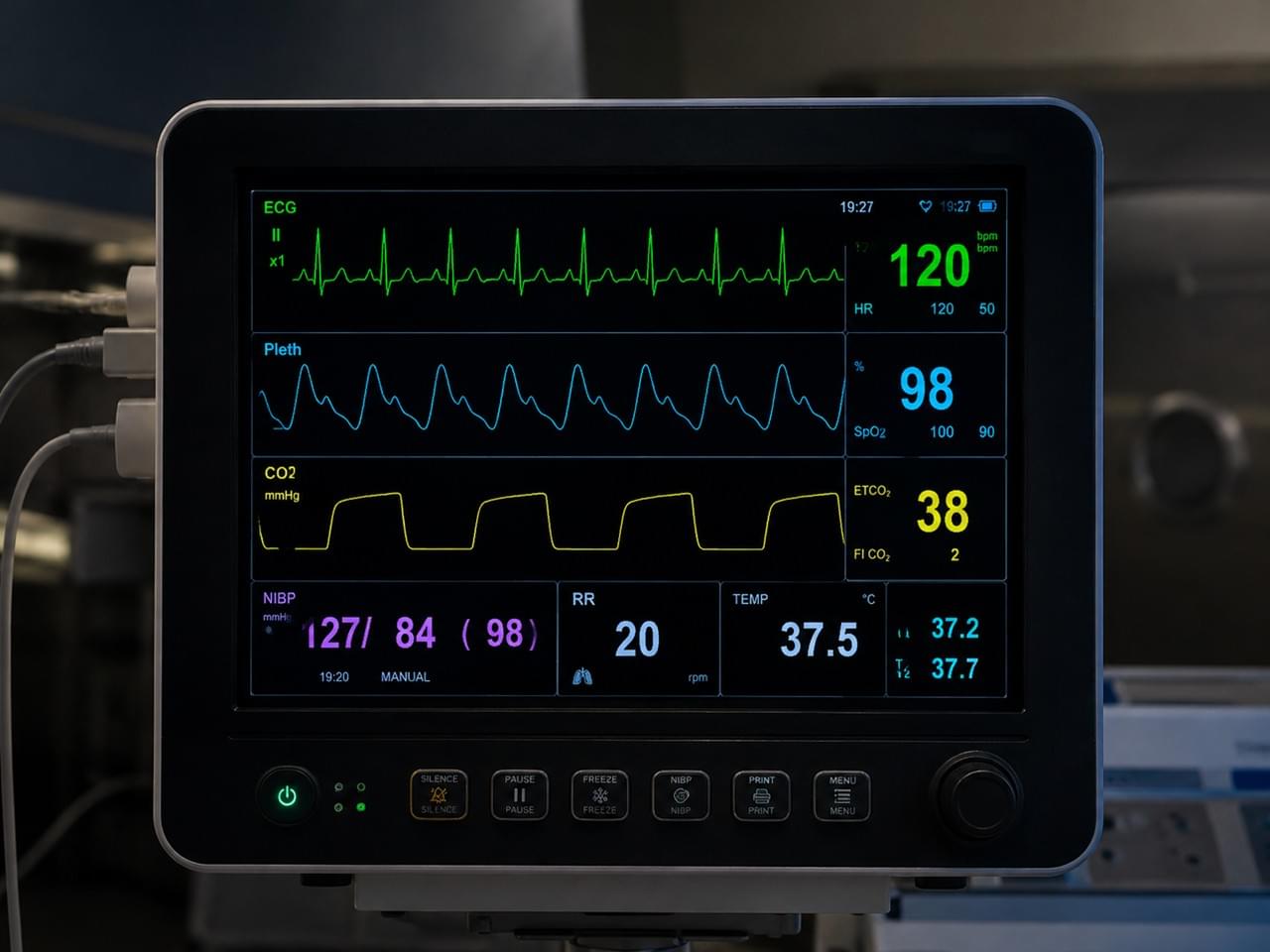
Essential Monitoring Parameters
| Parameter | Typical Target Range | Clinical Importance |
|---|---|---|
| SpO₂ | 95–100% | Detects oxygenation problems |
| EtCO₂ | 35–45 mmHg | Assesses ventilation effectiveness |
| ECG | Species dependent | Detects arrhythmias |
| Mean Blood Pressure | 60–100 mmHg | Indicates tissue perfusion |
| Temperature | 37.5–39.5°C | Helps prevent hypothermia |
Why Capnography Matters
Among all monitoring tools, capnography often provides the earliest warning of respiratory problems.
EtCO₂ monitoring helps clinicians:
✅ Confirm endotracheal tube placement
✅ Detect hypoventilation
✅ Identify hyperventilation
✅ Monitor ventilation trends in real time
For this reason, many specialists consider capnography a standard component of modern veterinary anesthesia systems.
For additional guidance, consult the WSAVA anesthesia monitoring standards:
https://wsava.org/global-guidelines/
Waste Anesthetic Gas Management
Protecting patients is only part of anesthesia safety. Veterinary teams must also minimize occupational exposure to waste anesthetic gases.
Active Scavenging Systems
Advantages:
✔ Highest efficiency
✔ Continuous gas removal
✔ Suitable for high-volume hospitals
These systems typically vent waste gases outside the building through dedicated vacuum systems.
Passive Scavenging Systems
Advantages:
✔ Portable
✔ Lower installation cost
✔ Suitable for smaller clinics
Activated charcoal canisters require routine replacement and monitoring to maintain effectiveness.
The AVMA provides detailed recommendations regarding waste anesthetic gas management:
https://www.avma.org/resources-tools/avma-policies/waste-anesthetic-gases
Building a Safer Veterinary Anesthesia Environment
Successful anesthesia management depends on more than selecting a single machine. The safest facilities integrate vaporizers, breathing circuits, ventilators, monitoring systems, and scavenging equipment into a coordinated workflow.
When evaluating veterinary anesthesia systems, practices should focus on:
✔ Patient population
✔ Procedure complexity
✔ Monitoring requirements
✔ Ventilation capabilities
✔ Maintenance support
✔ Long-term operational efficiency
Combined with properly trained staff and routine preventive maintenance, these systems help reduce anesthetic complications and support better surgical outcomes.
For facilities planning a complete operating room upgrade, our related guide on Choosing the Right Veterinary Surgery Table and OR Lights provides additional recommendations for creating a safer and more efficient surgical environment:
https://www.veteqpt.com/choosing-veterinary-surgery-table-or-lights
Frequently Asked Questions
Is sevoflurane better than isoflurane?
Sevoflurane generally provides faster induction and recovery, making it a preferred option for pediatric, exotic, and higher-risk patients. Isoflurane remains a cost-effective choice for routine procedures.
How often should soda lime be replaced?
Most manufacturers recommend replacement when color indicators change or after approximately 6–8 hours of cumulative anesthetic use. Practices should follow manufacturer-specific guidance.
Does every veterinary clinic need a ventilator?
Not necessarily. However, clinics performing longer procedures, thoracic surgeries, or complex anesthetic cases can benefit greatly from mechanical ventilation and advanced veterinary ventilator monitoring capabilities.
What is the most important anesthesia monitoring parameter?
While all monitored values are important, EtCO₂ monitoring is often considered one of the most valuable indicators because it continuously reflects ventilation status and confirms airway management.