Pet owners today expect the same advanced care for their companions as they do for themselves. This demand has accelerated the rise of minimally invasive surgery in pets, transforming how veterinarians approach procedures. From routine spays to complex thoracic or abdominal interventions, these techniques offer quicker recovery, lower risks, and improved client satisfaction. Clinics that adopt MIS often see 15–25% revenue growth in the first year, proving that this innovation benefits both animals and practices.
What Defines Minimally Invasive Surgery?
Minimally invasive surgery in pets refers to procedures performed through tiny 5–10 mm incisions using telescopes, cameras, and delicate instruments. Laparoscopy is the most common, but similar techniques apply to arthroscopy, thoracoscopy, and even rhinoscopy. Because tissues are separated instead of cut, the trauma is minimal. High-definition imaging enhances precision, letting surgeons operate with remarkable accuracy and fewer complications.
Faster Recovery: Less Pain, More Comfort
Recovery after traditional open surgery often takes 10–14 days, requiring larger incisions and more pain medication. In contrast, laparoscopic surgery for dogs and cats allows many pets to return home the same day and resume normal activity within 48 hours. Cats recovering from thoracoscopic procedures may begin eating and grooming within hours. Pet owners quickly notice the difference: less stress, fewer medications, and smoother post-op experiences.
Lower Complication Rates: Backed by Research
Scientific studies confirm the benefits of veterinary minimally invasive procedures. A 2023 meta-analysis of nearly 3,000 canine cases showed:
- 55% fewer post-operative complications
- 68% reduction in infections
- 40% less blood loss
Insurance companies now recognize the safety advantage, with some offering discounts for laparoscopic spays, further validating MIS as a superior choice.
Client Satisfaction and Loyalty: The Silent Growth Driver
Pet parents increasingly seek clinics offering MIS. In surveys, 87% of owners said they would travel extra miles for a vet using keyhole techniques, and nearly all would recommend the service. Social media buzz—tiny scars, quick recoveries—creates powerful organic marketing. For many practices, MIS becomes a loyalty and referral engine driving new business consistently.
Essential Equipment for an MIS Suite
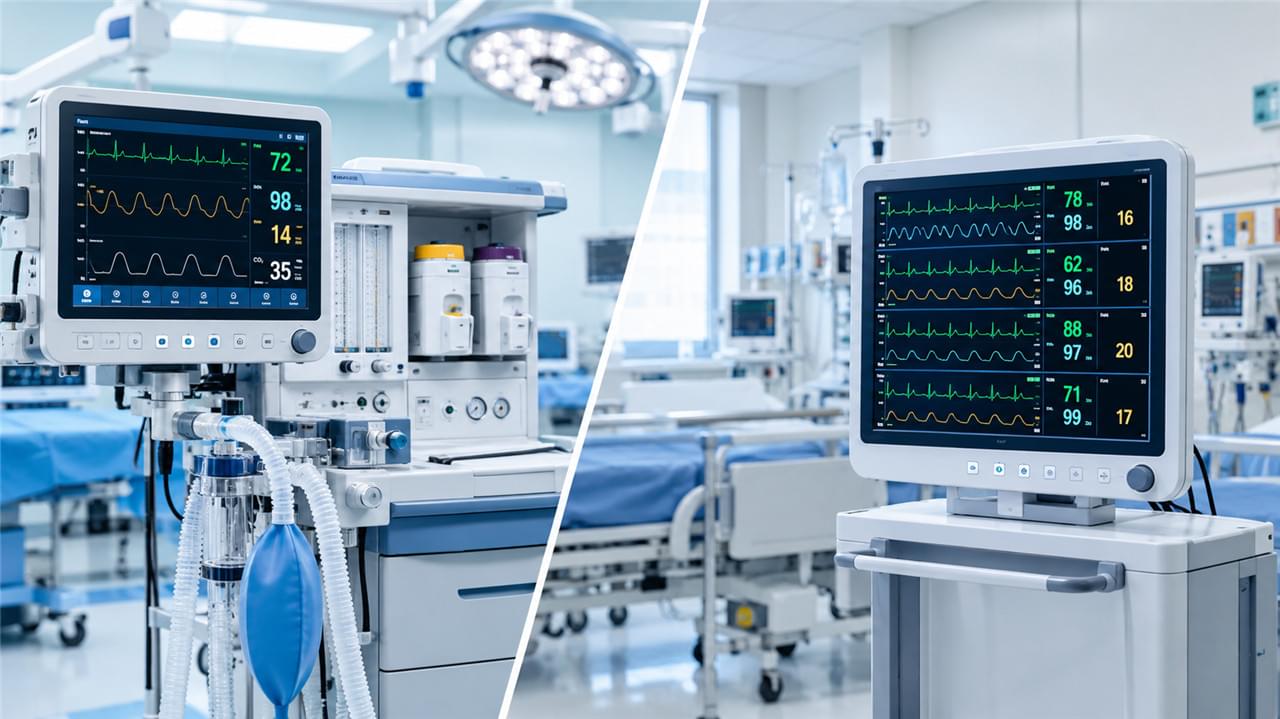
To offer benefits of MIS in veterinary medicine, clinics require:
- Imaging: 4K camera with 30° telescopes for sharp visuals.
- Insufflation: CO₂ insufflator with heating to maintain patient safety.
- Instruments: 5 mm graspers, vessel-sealing devices, and safety trocars.
- Patient positioning: Tilt tables for better access with fewer ports.
- Sterilization: Low-temperature plasma sterilizers to protect delicate tools.
Though investment ranges from USD 28,000–45,000, the ROI is rapid thanks to higher case fees and increased demand.
Return on Investment: Doing Well by Doing Good
Most clinics recover equipment costs in less than a year. A laparoscopic spay can command 50–100% higher fees compared to traditional methods. With six cases weekly, payback comes within 8–12 months. Additional services—biopsies, gastropexy, cryptorchidectomy—further accelerate profitability, while reduced complications lower costly callbacks.
Training Pathways for Veterinarians
Learning MIS doesn’t require specialist credentials. Options include:
- Wet-lab training courses like VETLap
- Online simulation CE modules
- Mentorship and telementoring programs
Most veterinarians gain confidence after 10–15 supervised cases, with complication rates dropping below open-surgery levels after about 25 procedures.
Case Study: From Doubt to Success
Dr. Lisa Park of Portland, Oregon, added an MIS tower in 2022. Initially cautious, she began with laparoscopic spays. Within 18 months she expanded to biopsies, thoracic surgeries, and lap-assisted cystotomies. Her clinic’s revenue grew 28%, online reviews skyrocketed, and she hired an additional associate to meet demand. For her, MIS became both a medical breakthrough and a growth catalyst.
Common Myths About MIS—Debunked
- “It takes too long.” Setup adds minutes, but recovery is faster overall.
- “Only specialists can do it.” Most general practitioners perform 80% of MIS procedures.
- “Small pets aren’t candidates.” Modern 3 mm tools make even tiny cats and dogs eligible.

The Future of Veterinary MIS
Emerging trends include robotic-assisted surgery, augmented reality for precision placement, and single-port systems using hidden incisions. Early adopters of these innovations will build reputations as forward-thinking, client-focused clinics.
A Win for Pets, Clients, and Clinics
Minimally invasive surgery in pets isn’t a passing trend—it’s the new standard. Faster recovery, fewer complications, and higher client satisfaction combine with real business growth for veterinary practices. With accessible training and proven technology, the question is no longer if you should adopt MIS, but when. Forward-thinking clinics that take the leap today will lead tomorrow’s veterinary care.