Chaque chirurgie réussie dépend de bien plus que de l'habileté du chirurgien. 🩺 Derrière chaque instrument stérile et chaque incision propre se cache un système de stérilisation soigneusement géré qui protège les patients des infections évitables. Stérilisation chirurgicale vétérinaire n'est pas une procédure unique, c'est un flux de travail continu qui commence immédiatement après la chirurgie et ne se termine que lorsque les instruments stériles sont ouverts en toute sécurité pour le patient suivant.
Même des défaillances mineures lors du nettoyage, de l'emballage, de la stérilisation, du stockage ou de la documentation peuvent augmenter le risque d'infections du site opératoire (ISO). Heureusement, ces risques sont largement évitables lorsque les hôpitaux vétérinaires mettent en œuvre des protocoles standardisés, des équipements validés et une surveillance de la qualité de routine.
Dans ce guide, vous apprendrez comment construire un flux de travail de stérilisation efficace, choisir le bon équipement, valider chaque cycle de stérilisation et renforcer le contrôle des infections dans les salles d'opération vétérinaires. Si vous planifiez une installation chirurgicale complète, notre guide sur Équipement de Bloc Opératoire Vétérinaire : Systèmes, Normes et Sélection offre un aperçu plus large de la planification des suites chirurgicales :
https://www.veteqpt.com/veterinary-surgical-suite-equipment
Le processus de stérilisation des instruments chirurgicaux vétérinaires : un flux de travail complet
La stérilisation réussie commence bien avant que les instruments n'entrent dans un autoclave. 🔬 Chaque étape du processus de stérilisation des instruments chirurgicaux vétérinaires contribue à la sécurité des patients, à la longévité des instruments et à la conformité réglementaire.
Le cycle complet de retraitement peut être divisé en cinq étapes essentielles.
✅ 1. Soins immédiats au point d'utilisation
Immédiatement après la chirurgie, le sang et les tissus ne doivent jamais être laissés sécher sur les instruments chirurgicaux. L'humidité aide à prévenir la formation de biofilm, rendant le nettoyage ultérieur beaucoup plus efficace. Les retards à ce stade créent souvent une contamination difficile à éliminer par la suite.
🧼 2. Nettoyage approfondi
Le nettoyage élimine les débris visibles avant le début de la stérilisation. Selon la charge de travail, les cliniques peuvent utiliser le nettoyage manuel, des détergents enzymatiques, des nettoyeurs à ultrasons ou des laveurs-désinfecteurs automatisés.
Cette étape est essentielle car la vapeur ne peut pas stériliser de manière fiable les instruments contenant encore des résidus organiques.
🔍 3. Inspection et tests fonctionnels
Chaque instrument doit être soigneusement examiné avant l'emballage. Le personnel doit vérifier :
- Corrosion
- Articulations lâches
- Bords de coupe endommagés
- Mâchoires désalignées
- Fissures de surface
- Mouvement correct de l'instrument
Le retrait des instruments endommagés avant la stérilisation évite les défaillances inattendues pendant la chirurgie tout en prolongeant la durée de vie des ensembles chirurgicaux.
📦 4. Emballage et identification
L'emballage sert de barrière stérile qui protège les instruments jusqu'à leur utilisation. Chaque emballage doit inclure :
- Indicateur chimique
- Date de stérilisation
- Numéro de lot
- Identification de l'opérateur
- Informations de suivi liées à l'expiration ou à un événement
Un emballage approprié permet également une pénétration complète de la vapeur tout en maintenant la stérilité pendant le stockage et le transport.
♨️ 5. Stérilisation et validation
Ce n'est qu'après un nettoyage, une inspection et un emballage approfondis que les instruments doivent entrer dans le stérilisateur. Chaque cycle de stérilisation doit être documenté et vérifié à l'aide d'une surveillance physique, d'indicateurs chimiques et de tests biologiques programmés pour garantir une performance constante.
Sauter ou précipiter l'une de ces étapes affaiblit l'ensemble du programme de contrôle des infections. En pratique, un nettoyage inadéquat et un emballage médiocre restent deux des causes les plus fréquentes d'échec de la stérilisation.
Stérilisation chirurgicale vétérinaire Étape 1 : Nettoyage par ultrasons
Parmi toutes les technologies de nettoyage, les nettoyeurs à ultrasons offrent l'une des méthodes les plus efficaces pour éliminer la contamination des instruments chirurgicaux complexes.
Au lieu de s'appuyer uniquement sur le frottement manuel, les systèmes à ultrasons génèrent des ondes sonores à haute fréquence, généralement entre 35 et 45 kHz—qui créent des bulles de cavitation microscopiques. Lorsque ces bulles s'effondrent, elles délogent les contaminants des surfaces que les brosses ne peuvent souvent pas atteindre.
Pourquoi le nettoyage par ultrasons est important 🧪
Le nettoyage par ultrasons offre plusieurs avantages importants :
- Élimine les débris des charnières, des crémaillères, des dentelures et des lumières étroites
- Réduit considérablement la charge microbienne avant la stérilisation
- Améliore la pénétration de la vapeur pendant l'autoclavage
- Réduit le travail manuel tout en améliorant la cohérence du nettoyage
- Minimise l'usure abrasive qui peut raccourcir la durée de vie des instruments
Étant donné que la stérilisation ne peut être efficace que sur des instruments soigneusement nettoyés, le nettoyage par ultrasons est devenu un élément standard des flux de travail de retraitement vétérinaire modernes.
Spécifications recommandées
Lors de la sélection d'un nettoyeur à ultrasons, tenez compte des spécifications suivantes :
| Fonctionnalité | Recommandation |
| Capacité du réservoir | 3–6 L pour les cabinets généraux ; 9 L ou plus pour les hôpitaux à grand volume |
| Fréquence | 35–45 kHz |
| Chauffage | Solution de nettoyage chauffée à 40–65 °C |
| Conception du couvercle | Entièrement fermé pour réduire l'exposition aux aérosols |
Bien que le nettoyage par ultrasons soit très efficace, il doit compléter — et non remplacer — le rinçage, l'inspection et l'entretien de routine appropriés.
Stérilisation chirurgicale vétérinaire Étape 2 : Laveurs-désinfecteurs automatisés
À mesure que le volume de cas chirurgicaux augmente, le nettoyage manuel seul devient souvent difficile à standardiser. Les laveurs-désinfecteurs automatisés aident les hôpitaux vétérinaires à obtenir un nettoyage plus cohérent et reproductible tout en réduisant les erreurs humaines.
Un cycle complet comprend généralement :
- ✅ Prérinçage
- ✅ Lavage enzymatique
- ✅ Rinçage à haute pression
- ✅ Désinfection thermique
- ✅ Séchage contrôlé
Comme chaque cycle est automatiquement surveillé, les laveurs-désinfecteurs génèrent également des enregistrements numériques ou imprimés qui prennent en charge les audits et l'assurance qualité.
De nombreux systèmes validés sont conformes à la norme ISO 15883 pour les laveurs-désinfecteurs, ce qui en fait un excellent choix pour les hôpitaux recherchant un retraitement standardisé des instruments.
Pour de nombreux cabinets, l'investissement dans le lavage automatisé devient de plus en plus rentable une fois que le volume chirurgical atteint environ 15 procédures par semaine. En plus d'améliorer l'efficacité, l'automatisation aide également à maintenir une qualité de nettoyage constante entre les différents membres du personnel.
Stérilisation chirurgicale vétérinaire Étape 3 : Choisir le bon autoclave de classe B
L'autoclave reste le cœur de tout programme de stérilisation. Cependant, tous les stérilisateurs n'offrent pas les mêmes performances.
Pour les hôpitaux vétérinaires modernes, un Autoclave de classe B pour cliniques vétérinaires est largement reconnu comme la solution privilégiée car il est validé pour des charges chirurgicales difficiles, notamment :
- Plateaux d'instruments chirurgicaux emballés
- Instruments creux
- Dispositifs cannulés
- Packs de tissu
- Ensembles chirurgicaux simples et doubles emballés
Contrairement aux stérilisateurs de classe N, les systèmes de classe B utilisent une technologie de pré-vide qui élimine l'air piégé avant que la vapeur n'entre dans la chambre. Cela permet à la vapeur de pénétrer les instruments complexes beaucoup plus efficacement, produisant des résultats de stérilisation constamment fiables.
Pourquoi la classe B est importante 🔬
Le choix d'un stérilisateur approprié affecte directement la sécurité des patients. Les systèmes de classe B fournissent une stérilisation fiable pour les divers ensembles d'instruments couramment utilisés dans les procédures vétérinaires orthopédiques, des tissus mous, dentaires et mini-invasives.
Les cliniques qui traitent régulièrement des plateaux chirurgicaux emballés devraient considérer les équipements de classe B comme la référence en matière de meilleures pratiques plutôt que comme une mise à niveau facultative.
Validation de chaque cycle de stérilisation
Même l'autoclave le plus avancé nécessite une validation continue. Une assurance qualité efficace devrait inclure :
| Méthode de validation | Fréquence recommandée | Objectif |
| Surveillance physique du cycle | Chaque cycle | Vérifier le temps, la température et la pression |
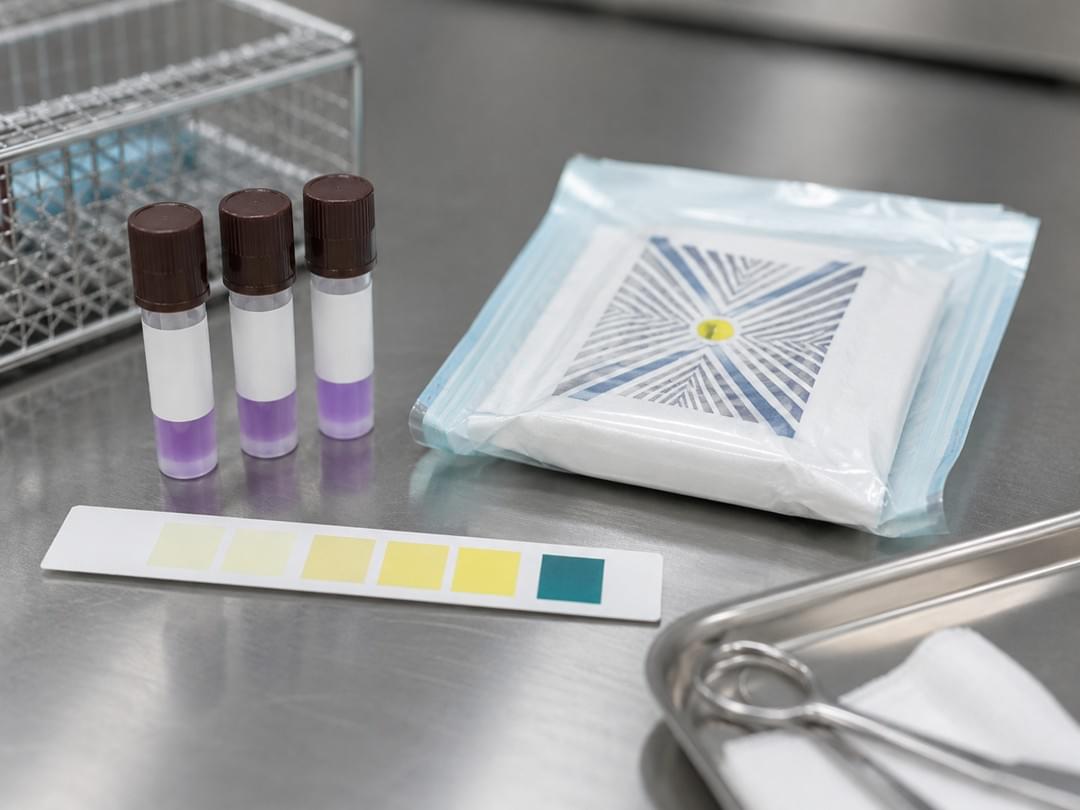
| Indicateurs chimiques | Chaque plateau | Confirmer la pénétration de la vapeur |
| Indicateurs biologiques | Au moins une fois par semaine | Vérifier la stérilisation à l'aide de spores bactériennes résistantes |
| Test Bowie-Dick | Quotidiennement (unités de classe B) | Confirmer l'élimination efficace de l'air et la pénétration de la vapeur |
La validation de routine transforme la stérilisation d'un simple processus mécanique en un système de gestion de la qualité documenté qui soutient la sécurité des patients, l'accréditation et l'excellence opérationnelle à long terme.
Stérilisation chirurgicale vétérinaire Étape 4 : Contrôle des infections au-delà de la stérilisation des instruments
Réussi stérilisation chirurgicale vétérinaire s'étend bien au-delà du traitement des instruments. 🏥 Même des instruments parfaitement stérilisés peuvent être contaminés si l'environnement de la salle d'opération, les pratiques du personnel ou la préparation du patient ne sont pas soigneusement contrôlés.
Un programme efficace de prévention des infections combine l'hygiène environnementale, un flux d'air contrôlé, des techniques chirurgicales disciplinées et une formation continue du personnel. Lorsque ces éléments fonctionnent ensemble, les hôpitaux vétérinaires peuvent réduire considérablement le risque d'infections du site chirurgical tout en créant un environnement plus sûr pour les patients et les équipes cliniques.
Si vous planifiez ou améliorez votre installation chirurgicale, notre guide de Comment concevoir une salle d'opération vétérinaire efficace explore les agencements de salles d'opération, l'optimisation des flux de travail et le placement des équipements qui soutiennent davantage la prévention des infections.
https://www.veteqpt.com/veterinary-operating-room-design-guide/
🧼 Décontamination des surfaces
Les surfaces de la salle d'opération sont contaminées tout au long de la journée par des particules en suspension dans l'air, la manipulation des instruments et les déplacements du personnel. Des protocoles de nettoyage cohérents aident à interrompre la transmission des micro-organismes entre les procédures.
Entre chaque chirurgie, le personnel doit désinfecter toutes les surfaces fréquemment touchées, y compris :
- Tables chirurgicales
- Appareils d'anesthésie
- Moniteurs patients
- Tables de Mayo
- Chariots à instruments
- Poignées de lampes chirurgicales
- Poignées et interrupteurs de porte
À la fin de chaque journée de travail, un nettoyage terminal complet doit inclure les sols, les murs si nécessaire, les zones de stockage et tous les équipements fréquemment touchés à l'aide de désinfectants hospitaliers approuvés pour usage vétérinaire.
Plutôt que de simplement nettoyer lorsque la contamination est visible, les hôpitaux performants s'appuient sur des calendriers de nettoyage standardisés qui garantissent que chaque zone reçoit une attention constante.
🌬️ Gestion de la qualité de l'air
La contamination aéroportée est souvent négligée, mais elle reste l'un des contributeurs les plus importants aux infections postopératoires.
Les salles d'opération vétérinaires modernes doivent être conçues pour maintenir un flux d'air propre tout au long de chaque procédure. Les pratiques environnementales recommandées comprennent :
- Systèmes de ventilation à filtration HEPA
- Salles d'opération à pression positive
- Au moins 15 renouvellements d'air par heure (RAH)
- Maintenance CVC de routine et remplacement des filtres
- Surveillance continue de la température et de l'humidité si nécessaire
Garder les portes des salles d'opération fermées pendant les procédures est tout aussi important. Chaque ouverture de porte inutile perturbe les schémas de flux d'air et introduit de l'air non filtré qui peut transporter des bactéries et de la poussière dans le champ stérile.
Limiter le trafic du personnel réduit également les particules en suspension dans l'air. Des études montrent constamment que chaque personne supplémentaire dans la salle d'opération augmente la contamination microbienne dans l'environnement.
🩺 Technique aseptique de l'équipe chirurgicale
Même le meilleur équipement de stérilisation ne peut compenser une mauvaise discipline chirurgicale. Chaque membre de l'équipe chirurgicale joue un rôle essentiel dans le maintien de la stérilité tout au long de la procédure.
Les meilleures pratiques comprennent :
- Réalisation de la préparation chirurgicale des mains selon des protocoles validés
- Port de blouses et de gants stériles bien ajustés
- Utilisation de champs stériles avant le placement des instruments
- Éviter les mouvements inutiles autour du champ stérile
- Remplacement immédiat des gants contaminés
- Maintien d'une séparation claire entre les zones stériles et non stériles
De nombreux hôpitaux vétérinaires utilisent désormais des frictions chirurgicales pour les mains à base d'alcool dans le cadre de protocoles de préparation des mains validés, à condition qu'elles soient appliquées correctement et uniquement lorsque les mains sont exemptes de contamination visible.
Une formation cohérente et des évaluations périodiques des compétences permettent de s'assurer que ces pratiques font partie des routines cliniques quotidiennes plutôt que des rappels occasionnels.
Documentation et conformité qualité
📋 Efficace stérilisation chirurgicale vétérinaire dépend de plus que de l'achèvement de chaque cycle de stérilisation — il nécessite également une documentation complète. Des registres précis assurent la traçabilité, démontrent la conformité réglementaire et aident à identifier les problèmes récurrents avant qu'ils n'affectent les résultats pour les patients.
Chaque cabinet vétérinaire doit conserver la documentation pour :
- Paramètres du cycle de stérilisation
- Numéros d'identification des lots
- Résultats des indicateurs chimiques
- Dossiers de surveillance biologique
- Journaux de maintenance des instruments
- Rapports d'entretien des équipements
- Dossiers de formation du personnel
- Surveillance des infections du site chirurgical
Une documentation complète simplifie également les audits internes et soutient les programmes d'accréditation en fournissant des preuves claires que les protocoles de stérilisation sont suivis de manière cohérente.
Amélioration continue de la qualité
Les programmes de stérilisation doivent être revus régulièrement plutôt que traités comme des procédures statiques.
Les revues de qualité régulières peuvent inclure :
✅ Examen des journaux de stérilisation
✅ Surveillance des performances des indicateurs biologiques
✅ Inspection des tendances de dommages aux instruments
✅ Audit des procédures de nettoyage
✅ Mise à jour des protocoles après l'installation de nouveaux équipements
✅ Formation de rappel du personnel
Les petites améliorations mises en œuvre de manière cohérente produisent souvent des réductions significatives à long terme du risque d'infection tout en prolongeant la durée de vie des instruments chirurgicaux de valeur.
Suivi des meilleures pratiques internationales
Les hôpitaux vétérinaires doivent baser leurs procédures de stérilisation sur des directives reconnues internationalement dans la mesure du possible.
Le Lignes directrices de l'WSAVA sur le contrôle des infections recommandent de conserver des registres de stérilisation documentés, de surveiller les infections postopératoires et d'établir des procédures de nettoyage standardisées dans tout l'hôpital. Ces recommandations aident les cabinets à construire des systèmes de qualité fiables quelle que soit leur taille.
De même, les cabinets utilisant des laveurs-désinfecteurs automatiques doivent sélectionner des systèmes conçus pour répondre aux norme ISO 15883 pour les laveurs-désinfecteurs, garantissant des performances de nettoyage validées et répétables avant la stérilisation.
Pour des stratégies d'hygiène hospitalière plus larges au-delà de la salle d'opération, vous pouvez également trouver notre guide sur Solutions de contrôle des infections et de désinfection dans les hôpitaux vétérinaires utile :
https://www.veteqpt.com/infection-control-disinfection-veterinary-hospitals
Foire aux questions
❓ Un autoclave de classe B est-il nécessaire pour chaque clinique vétérinaire ?
Toutes les juridictions n'exigent pas légalement un autoclave de classe B, mais il est largement considéré comme la meilleure pratique pour les cabinets qui stérilisent régulièrement des packs d'instruments emballés ou des instruments chirurgicaux creux. Comparés aux unités de classe N, les stérilisateurs de classe B offrent une élimination de l'air et une pénétration de la vapeur supérieures, ce qui les rend beaucoup plus fiables pour les charges chirurgicales complexes.
❓ À quelle fréquence les instruments chirurgicaux doivent-ils être inspectés ?
Chaque instrument doit être inspecté lors de chaque cycle de retraitement avant l'emballage. Le personnel doit vérifier la corrosion, les pointes endommagées, les articulations lâches, les tranchants usés et les problèmes d'alignement. De plus, les instruments chirurgicaux de grande valeur doivent subir un entretien professionnel au moins une fois par an pour maintenir des performances optimales.
❓ L'utilisation de désinfectant chirurgical pour les mains à base d'alcool peut-elle remplacer le lavage traditionnel ?
Oui, les frictions chirurgicales pour les mains à base d'alcool validées peuvent offrir une protection comparable au lavage chirurgical traditionnel lorsqu'elles sont utilisées correctement. Cependant, les mains doivent d'abord être exemptes de saleté visible ou de matière organique, et les instructions du fabricant concernant le volume d'application et le temps de contact doivent toujours être suivies.
❓ Quelle est la cause la plus fréquente d'échec de la stérilisation ?
Dans la plupart des hôpitaux vétérinaires, les échecs de stérilisation commencent avant l'autoclave. Un nettoyage inadéquat, un emballage inapproprié, des stérilisateurs surchargés et une mauvaise documentation sont tous des facteurs courants qui compromettent l'efficacité de la stérilisation. Un flux de travail standardisé avec une validation régulière réduit considérablement ces risques.
🩺 Efficace stérilisation chirurgicale vétérinaire n'est pas défini par une seule machine ou procédure — c'est le résultat d'un système qualité intégré qui combine un retraitement méticuleux des instruments, un équipement de stérilisation validé, un contrôle des infections environnementales, une documentation complète et une formation continue du personnel.
En investissant dans des flux de travail standardisés, en choisissant un Autoclave de classe B pour cliniques vétérinaires le cas échéant, et en suivant les pratiques de prévention des infections reconnues internationalement, les hôpitaux vétérinaires peuvent améliorer les résultats chirurgicaux, protéger les patients et renforcer la confiance à long terme dans la qualité de leurs soins cliniques.
Que vous établissiez une nouvelle suite chirurgicale ou que vous peaufiniez un programme de stérilisation existant, chaque amélioration apportée aujourd'hui contribue à des chirurgies plus sûres demain.