A modern surgical department is more than a single operating table and overhead light. Today’s veterinary surgical suite equipment must support patient safety, surgical precision, workflow efficiency, and long-term compliance standards. 🏥
Whether you are building a new veterinary operating room, upgrading aging systems, or comparing equipment suppliers, choosing the right setup directly impacts surgical outcomes and staff productivity.
This guide explains the essential systems found in a modern veterinary OR, including anesthesia delivery, patient monitoring, surgery tables, sterilization workflows, and minimally invasive surgical technology. It also outlines the key purchasing criteria clinics should evaluate before investing in high-value surgical equipment.
For broader planning considerations, see the Complete Guide to Veterinary Hospital Equipment Setup.
Why Veterinary Surgical Suite Equipment Matters
Every component inside a veterinary operating room functions as part of an interconnected clinical system. If one element underperforms — whether it is anesthesia delivery, ventilation, monitoring, or sterilization — the entire surgical workflow becomes less safe and less efficient.
Modern veterinary surgical suite equipment helps clinics:
- ✅ Improve anesthetic safety
- ✅ Reduce surgical complications
- ✅ Support advanced procedures
- ✅ Improve infection control
- ✅ Increase operating efficiency
- ✅ Reduce staff fatigue and ergonomic strain
Clinics performing orthopedic, soft tissue, thoracic, or minimally invasive procedures especially benefit from integrated surgical suite planning rather than isolated equipment purchasing.
The Anatomy of a Modern Veterinary Surgical Suite
A professional veterinary OR should be designed as a multi-zone clinical environment instead of a single procedure room.
Most modern suites include four core areas:
1. Pre-Operative Preparation Area
This zone supports:
- IV catheter placement
- Sedation and induction
- Patient clipping and preparation
- Positioning before surgery
Proper separation between prep and surgery spaces helps reduce airborne contamination entering the sterile field.
2. Scrub and Instrument Preparation Area
This section is dedicated to:
- Surgical hand scrubbing
- Sterile gown preparation
- Instrument organization
- Surgical pack staging
Efficient workflow in this area minimizes unnecessary movement during procedures.
3. Main Operating Room
The OR contains the core veterinary surgical suite equipment required for active surgery:
- Anesthesia workstation
- Patient monitor
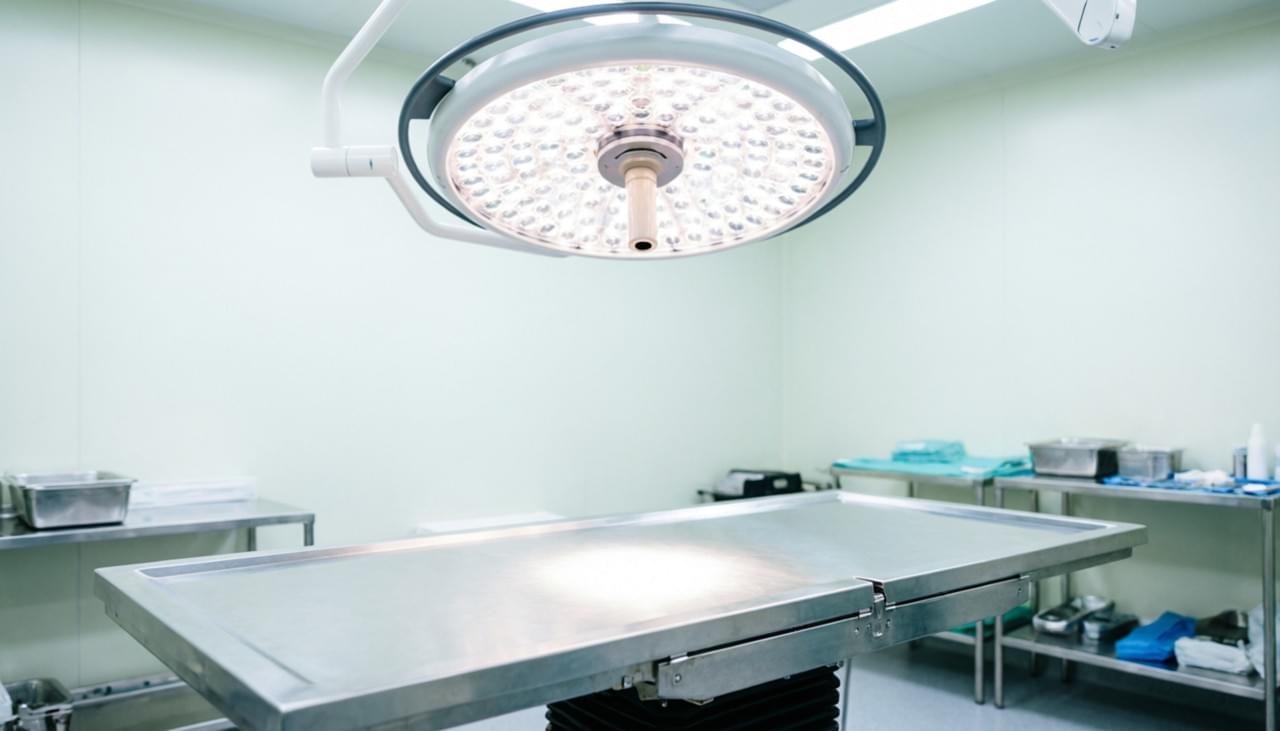
- Surgical table
- OR lighting
- Electrosurgical devices
- Ventilation systems
The sterile field should remain centrally accessible from multiple sides.
4. Sterilization and Reprocessing Room
Post-operative instrument cleaning and sterilization occur here. Proper separation between dirty and sterile pathways is essential for infection prevention.
Clinics improving this workflow should also review Sterilization & Infection Control in Veterinary Surgical Suites.
Essential Veterinary Surgical Suite Equipment Categories
🫁 Veterinary Surgical Suite Equipment for Anesthesia and Respiratory Support
Anesthesia delivery remains the most critical safety component inside any veterinary operating room equipment setup.
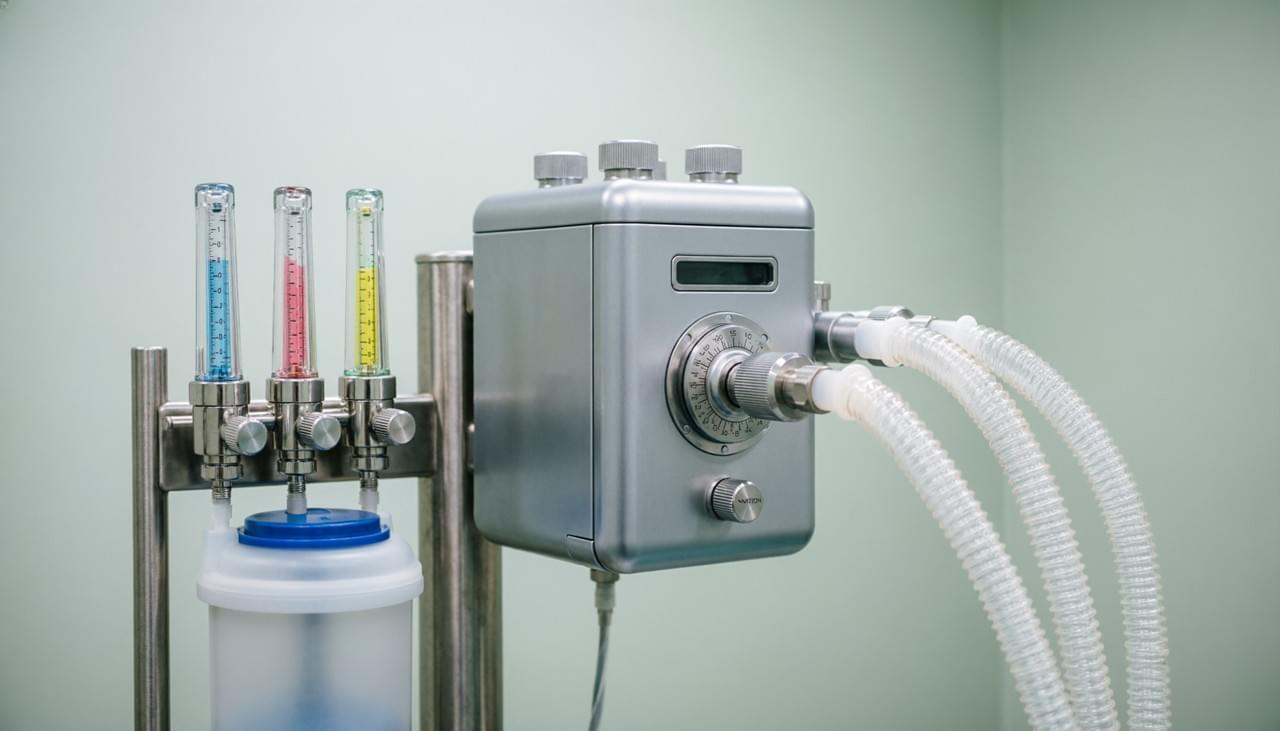
Modern anesthesia systems should include:
- Precision vaporizer calibration
- Rebreathing circuit systems
- CO₂ absorption canisters
- Oxygen flowmeters
- Emergency oxygen flush
- Waste gas scavenging systems
Integrated ventilators are increasingly common in advanced clinics because they improve respiratory support during lengthy or high-risk procedures.
Key Features to Evaluate
When selecting veterinary anesthesia and monitoring systems, clinics should evaluate:
| Specification | Recommended Standard |
|---|---|
| Tidal volume range | 5 mL to 3000 mL |
| Fresh gas flow | 50 mL/min to 10 L/min |
| ET tube compatibility | 15 mm ISO standard |
| Alarm systems | Apnea + disconnect alarms |
Clinics comparing perioperative monitoring systems can also explore Anesthesia Monitoring vs ICU Monitoring: Key Differences.
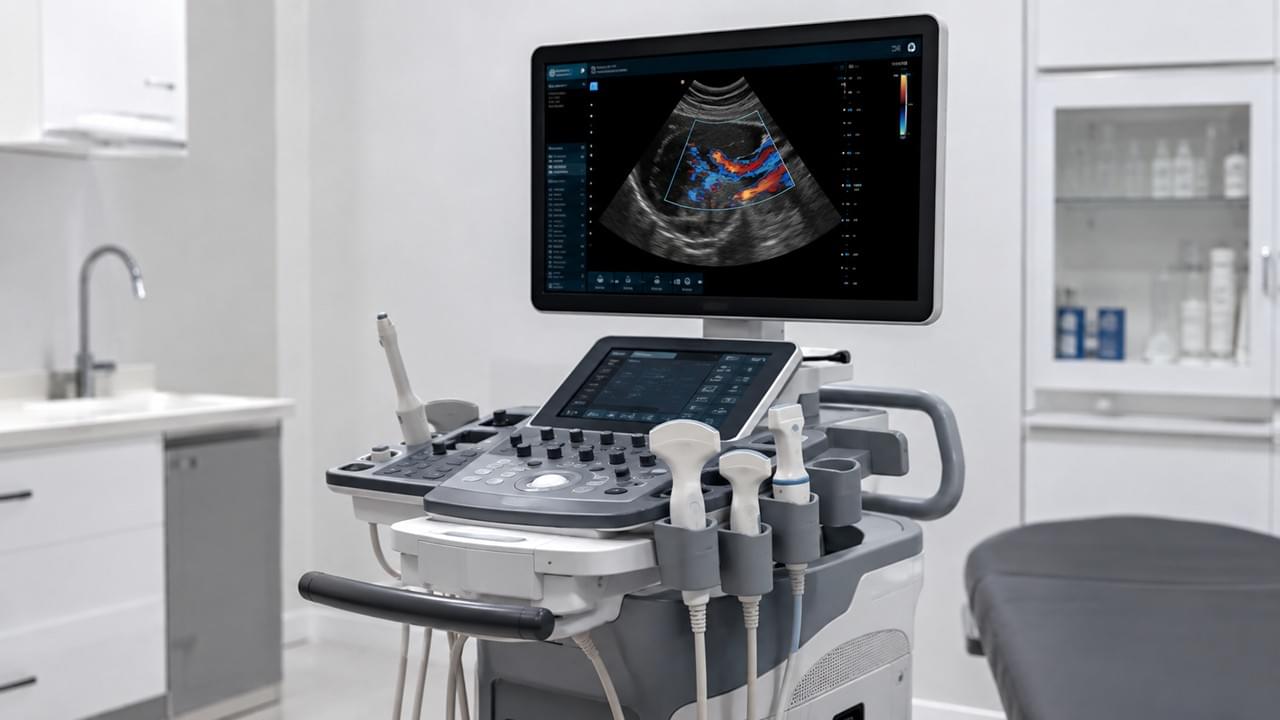
📊 Veterinary Surgical Suite Equipment for Patient Monitoring
Continuous monitoring is inseparable from safe anesthesia management.
A modern surgical suite should include at minimum a 5-parameter monitor capable of measuring:
- ECG
- SpO₂
- EtCO₂
- Non-invasive blood pressure
- Temperature
Advanced referral hospitals often expand capabilities with:
- Invasive blood pressure monitoring
- Neuromuscular monitoring
- Central venous pressure monitoring
- Fluid balance tracking systems
Reliable monitoring reduces anesthetic risk and allows faster intervention during complications.
🛏 Veterinary Surgical Suite Equipment for Surgery Tables
The surgical table directly affects positioning flexibility, surgeon ergonomics, and procedural access.
Common Veterinary Surgery Table Types
V-Top Tables
These are ideal for abdominal and thoracic surgery because they stabilize patients in dorsal recumbency.
Flat-Top Tables
More versatile for orthopedic and specialty procedures requiring varied positioning.
Tilting Surgery Tables
Trendelenburg positioning support improves access during some thoracic and cardiovascular procedures.
Hydraulic or Electric Lift Tables
These systems reduce physical strain on veterinary teams during repeated daily surgeries.
Important Selection Criteria
When evaluating veterinary surgical suite equipment, prioritize:
- Stainless steel 316 construction
- Minimum 150 kg load capacity
- Drainage systems
- Corrosion resistance
- Radiolucent surfaces for imaging compatibility
💡 Veterinary Surgical Suite Equipment for OR Lighting
Surgical illumination directly affects visibility, tissue differentiation, and surgeon fatigue.
Modern LED OR lights should provide:
| Feature | Recommended Standard |
|---|---|
| Illuminance | 50,000+ lux |
| CRI | ≥95 |
| Color temperature | 4,000–5,000 K |
| Positioning | Multi-axis articulation |
Dual-head lighting systems are increasingly preferred in high-volume surgical environments because they reduce shadowing during complex procedures.
Good lighting also improves photography and documentation quality for referral and teaching hospitals.
⚡ Veterinary Surgical Suite Equipment for Electrosurgery
Electrosurgical units (ESUs) are now standard across most soft tissue surgical environments.
Modern systems typically include:
- Monopolar cutting
- Monopolar coagulation
- Bipolar coagulation
- Vessel sealing technology
Advanced vessel sealing systems improve hemostasis while reducing surgical time.
Clinics expanding advanced surgical services often integrate electrosurgery alongside minimally invasive systems.
🔬 Veterinary Surgical Suite Equipment for Minimally Invasive Surgery
Minimally invasive procedures continue expanding across companion animal medicine.
Many clinics now offer:
- Laparoscopic spays
- Thoracoscopy
- Arthroscopy
- Diagnostic laparoscopy
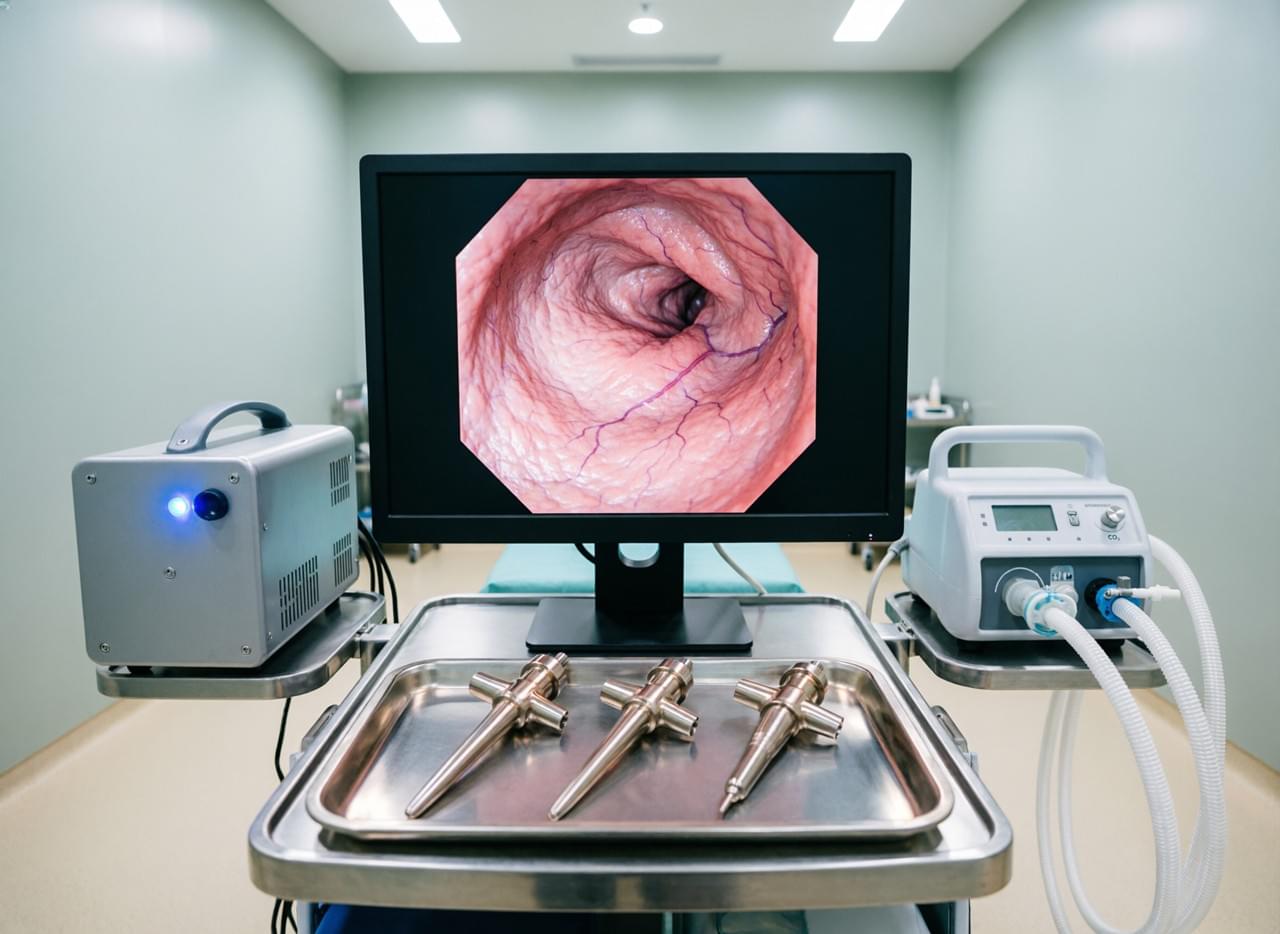
A complete MIS setup usually includes:
- HD camera system
- CO₂ insufflator
- Light source
- Endoscope
- Trocar systems
- Laparoscopic instruments
Clinics evaluating future surgical growth should study Minimally Invasive Surgery Trends in Veterinary Medicine.
🧼 Veterinary Surgical Suite Equipment for Sterilization and Infection Control
Sterility remains the foundation of safe surgery.
According to WSAVA guidelines, modern sterilization systems should include:
- Class B steam autoclaves
- Chemical sterilization indicators
- Weekly biological spore testing
- Sealed sterile storage systems
- Defined clean/dirty workflows
Some advanced hospitals also install HEPA-filtered laminar airflow systems to reduce airborne contamination.
Clinics operating high surgical volumes should implement documented sterilization protocols and scheduled equipment validation.
For additional anesthesia safety recommendations, review AVMA anesthesia guidelines.
How to Design an Efficient Veterinary Operating Room
Strong veterinary surgical suite design standards improve both patient safety and workflow efficiency.
Key OR planning principles include:
✅ Keep the Surgical Table Central
Surgeons and assistants need unobstructed access from multiple sides.
✅ Separate Sterile and Non-Sterile Movement
Traffic flow planning helps reduce contamination risk.
✅ Position Monitoring Equipment Near the Anesthetist
Monitors should remain clearly visible without obstructing the surgical team.
✅ Install Sufficient Power and Gas Outlets
Modern ORs often require multiple outlets for monitors, warming systems, imaging devices, and electrosurgery units.
✅ Use Washable Medical-Grade Flooring
Epoxy and medical PVC flooring simplify cleaning and improve infection control.
For deeper layout strategies, see How to Design an Efficient Veterinary Operating Room.
Key Factors When Choosing Veterinary Surgical Suite Equipment
Selecting the right equipment requires balancing clinical capability with long-term operational costs.
| Decision Factor | Why It Matters |
|---|---|
| Clinical compatibility | Supports procedure range and patient size |
| Integration | Improves communication between devices |
| Service support | Reduces downtime |
| Compliance | Meets regional regulations |
| Long-term ownership cost | Controls maintenance and consumable expenses |
Clinics should also evaluate supplier training, installation support, and spare part availability before purchasing.
Frequently Asked Questions
What is the minimum veterinary surgical suite equipment required for safe surgery?
At minimum, clinics should have:
- Calibrated anesthesia machine
- 5-parameter patient monitor
- Surgical lighting
- Stainless steel surgery table
- Electrosurgical unit
- Validated sterilization system
Operating below these standards increases anesthetic and surgical risk significantly.
How often should veterinary anesthesia systems be serviced?
Annual preventive maintenance is considered the minimum standard. High-volume clinics often benefit from biannual servicing plus daily system checks.
Is a separate preparation room necessary in a veterinary surgical suite?
Yes. Separate preparation areas help reduce microbial contamination and improve surgical workflow efficiency. In many regions, this separation is also part of regulatory compliance.