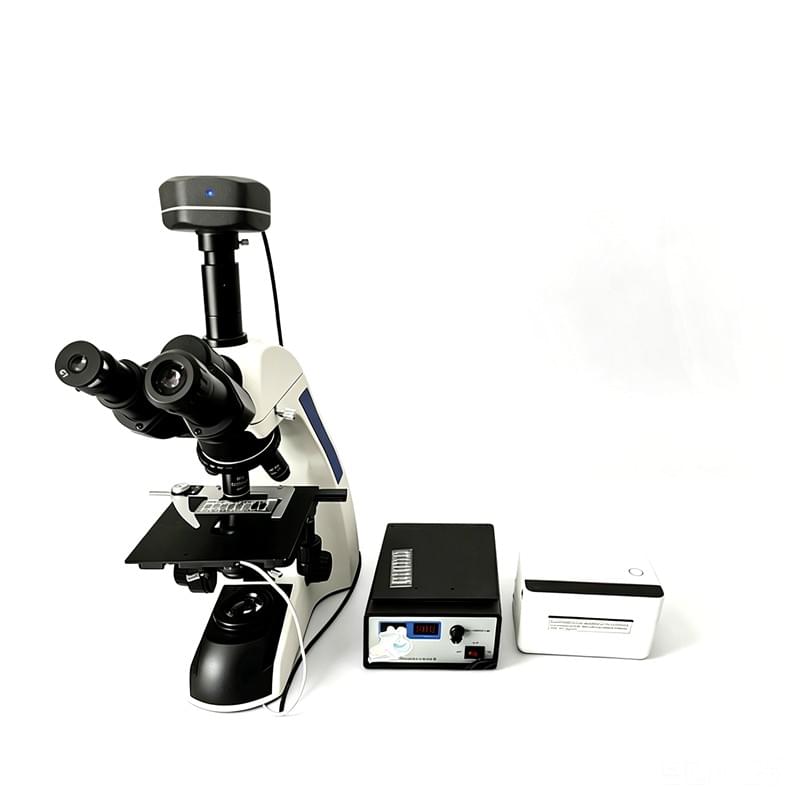
Manual semen evaluation under a microscope is slow, subjective, and notoriously inconsistent between clinicians. A stud-farm manager who needs to compare bull collection samples across days, a canine reproduction specialist assessing a stud dog before a planned mating, or a research lab characterising a new extender formula—all of them need quantitative, repeatable, archived data. This Vsun veterinary sperm quality analysis system delivers exactly that: a complete CASA workflow built around a CM2000 trinocular phase contrast microscope, a dedicated 5-megapixel digital camera, and purpose-built analysis software running on a Windows 10 workstation.
Standard Configuration — Everything in One Lab Bench Solution
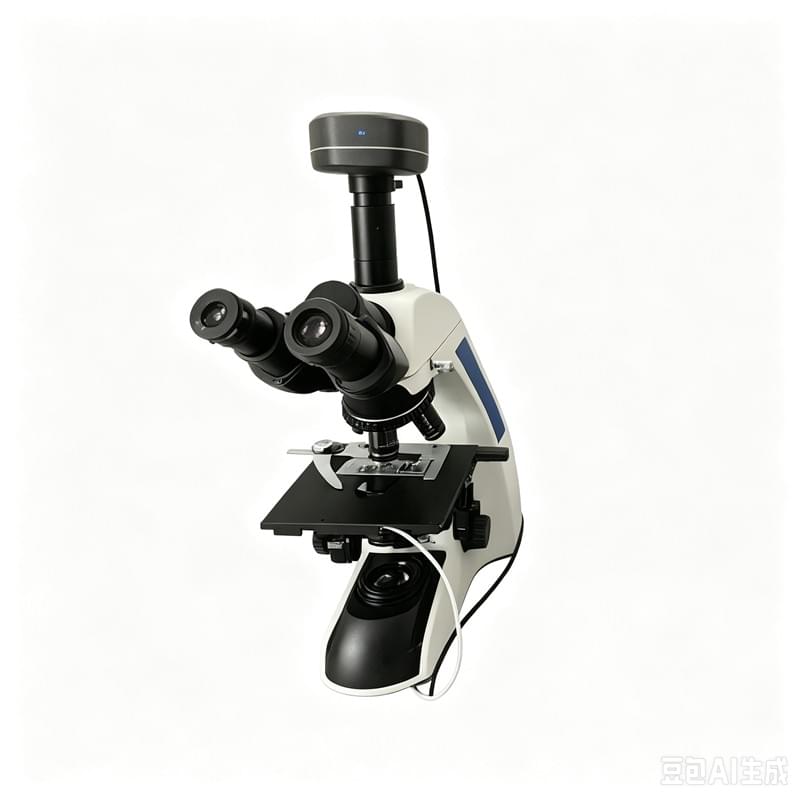
- CM2000 Trinocular Biological Microscope: 4×, 10×, 40×, and 100× objectives cover brightfield work, wet-mount inspection, oil-immersion morphology, and high-magnification detail. The trinocular head lets you view through the eyepieces while the camera acquires simultaneously.
- 10× Negative Phase Contrast Objective with Condenser: Phase contrast is essential for unstained, live sperm visualisation. Negative contrast gives the dark-background, bright-sperm optics that the analysis software requires for reliable tracking.
- HView5MC Digital Camera: 2.2µm pixel size, 1.76 V/Lux·sec sensitivity at 550 nm, ≥1100 TV lines of resolution, progressive scan, and a 30 fps live capture rate at 1280×960. USB 2.0 interface plugs directly into the workstation.
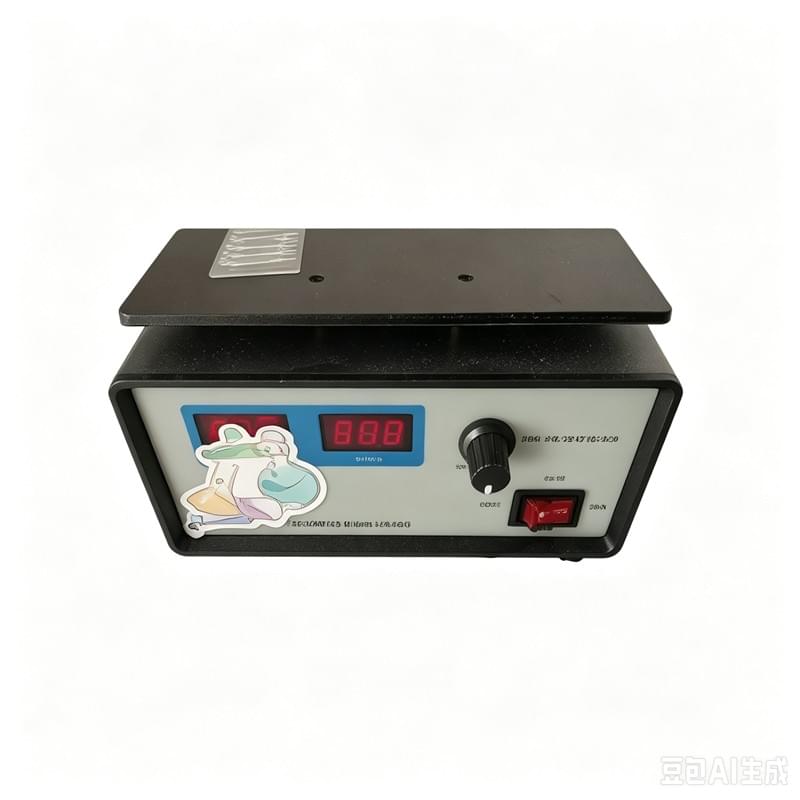
- Dual Constant-Temperature Modules: The first module integrates with the microscope stage to hold samples at 37°C—matching physiological scrotal temperature for accurate motility assessment. The second module preheats sperm counting slides on the workbench so sample loading doesn’t shock the cells.
- Disposable Sperm Counting Slides: 50-slide box, 8 counting chambers per slide. Pre-calibrated chamber depth means the software can convert captured images into precise concentration numbers without manual calibration.
- Micropipette (5–20 µL): For accurate sample loading—the smallest pipetting error at this volume scale can skew concentration results by tens of percent.
- Sperm Analysis Software with Dongle Protection: The full CASA software package, locked to the workstation via USB hardware key for licensing compliance.
- Branded Desktop Workstation: 8 GB RAM, 1 TB HDD, Windows 10—configured specifically for image acquisition and database management.
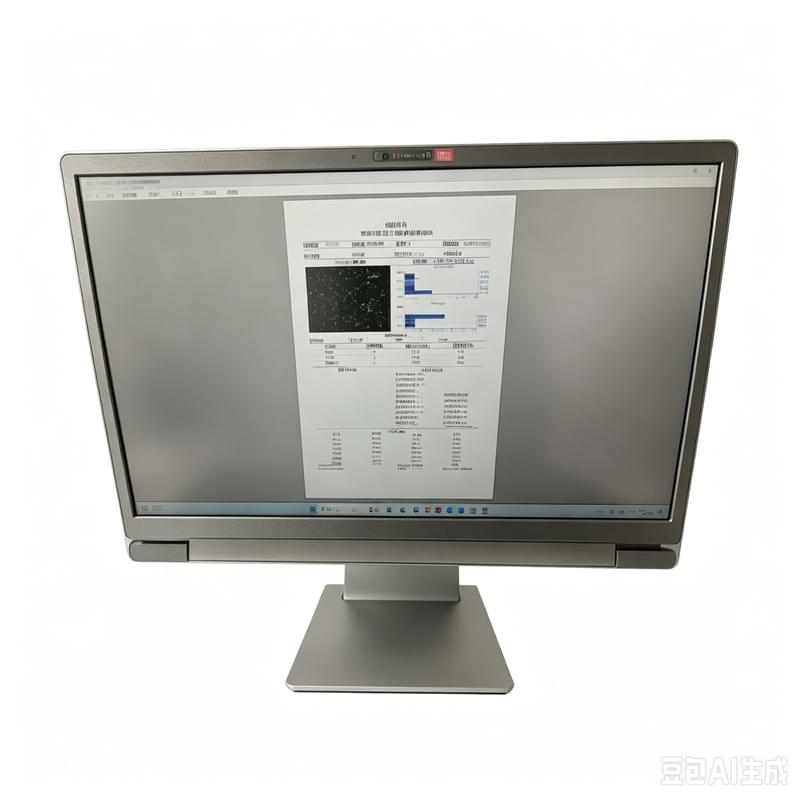
- Label Printer and Colour Laser Printer: The label printer generates sample-ID stickers for traceability; the colour laser printer produces the formal analysis report with charts and tables.
Five Core Software Functions
1. Dynamic Image Analysis. The software automatically detects and quantifies a comprehensive set of semen parameters across every captured frame—from raw counts and concentrations to progressive-motility ratios and velocity distributions. The system handles both raw and diluted samples, and given a target concentration plus packaging dose, it auto-calculates the diluent volume required and the resulting straw count. All images and real-time video are saved automatically.
2. Morphological Image Analysis. After staining, the software classifies abnormal sperm into head defects (asymmetric, double, round, microcephalic, macrocephalic), midpiece defects, tail defects (double, bent, coiled), and cytoplasmic droplets. It computes both the Teratozoospermia Index (TZI) and the Sperm Deformity Index (SDI)—two metrics that reproductive specialists and stud-book registries routinely require.
3. Livestock File Management. Build per-animal archives containing pedigree information (grandparent breed, parent breed, individual ID), arrival status, body weight, and physical photos. Animals can be labelled as replacement stock, normal, sick, or eliminated. Filter and search by ID, breed, source, or status for full traceability across the breeding programme.
4. Test Record Management. Every collection is logged with semen volume, collection interval, sperm concentration, semen colour, motility, viability, pH, progressive sperm count, abnormal sperm rate, and packaging quantity. Records are searchable by animal ID, breed, source, and status.
5. Production Record Management. Production runs add collector name, lab technician, production date, and production quantity to the existing test data—building a complete audit trail from raw semen to packaged straw.
Request a lab demonstration — on-site installation, training, and software licensing available for clinics and stud farms.
Detected Parameters at a Glance
| Category | Reported Parameters |
|---|---|
| Counts & concentrations | Total sperm count, sperm concentration, motile count, motile concentration, progressive count, progressive concentration, curvilinear count, curvilinear concentration, A/B/C/D grade counts and concentrations |
| Motility ratios | Total motility rate, progressive motility ratio, A/B/C/D grade percentages, curvilinear motility ratio |
| Kinematic parameters | Straight-line velocity (VSL), curvilinear velocity (VCL), average path velocity (VAP), straightness (STR), wobble (WOB), linearity (LIN), mean angular displacement (MAD), beat cross frequency (BCF), lateral head displacement (ALH) |
| Morphology | Head defects, midpiece defects, tail defects, cytoplasmic droplets, Teratozoospermia Index (TZI), Sperm Deformity Index (SDI) |
| Sample records | Volume, interval, concentration, colour, motility, viability, pH, packaging quantity, production date, collector, lab technician |
Technical Specifications
| Power Supply | 220V, 50Hz |
|---|---|
| Detectable Sperm per Frame | 0–2,000 |
| Detectable Groups | 1–50 groups per run |
| Image Frames per Group | 1–50 frames |
| Image Analysis Time | 1–10 seconds per group (varies with frames and complexity) |
| Minimum Capture Interval | ≤0.025 s |
| Image Resolution | 1280 × 960 px (max capture 2592 × 1944 px) |
| Computer Configuration | 8 GB RAM, 1 TB HDD, Windows 10 |
| Camera | HView5MC, 2.2µm pixel, USB 2.0, ≥30 fps |
| Microscope | CM2000 trinocular, 4×/10×/40×/100× objectives, phase contrast |
| Heated Stage | Dual modules: integrated microscope 37°C + slide preheating |
Clinical & Stud-Farm Applications
| Setting | Use Case |
|---|---|
| Canine & feline reproduction clinics | Pre-breeding stud evaluation, infertility workup, post-treatment monitoring, chilled & frozen semen QC |
| Equine stud farms | Stallion semen grading for fresh and cooled-shipped doses |
| Livestock AI centres | Bull, boar, ram semen evaluation for AI dose production and extender validation |
| Reproductive research labs | Quantitative comparison of extenders, cryoprotectants, and storage protocols |
| Breed registries & stud books | Standardised, archivable breeding soundness evaluations |
For any practice, stud farm, or laboratory where breeding outcomes depend on semen quality, this veterinary sperm quality analysis system turns subjective microscopy into reproducible CASA data—one report, one archive record, one improved breeding decision at a time.
Explore the full Vsun laboratory and clinical range or request a quote for your clinic or breeding programme.