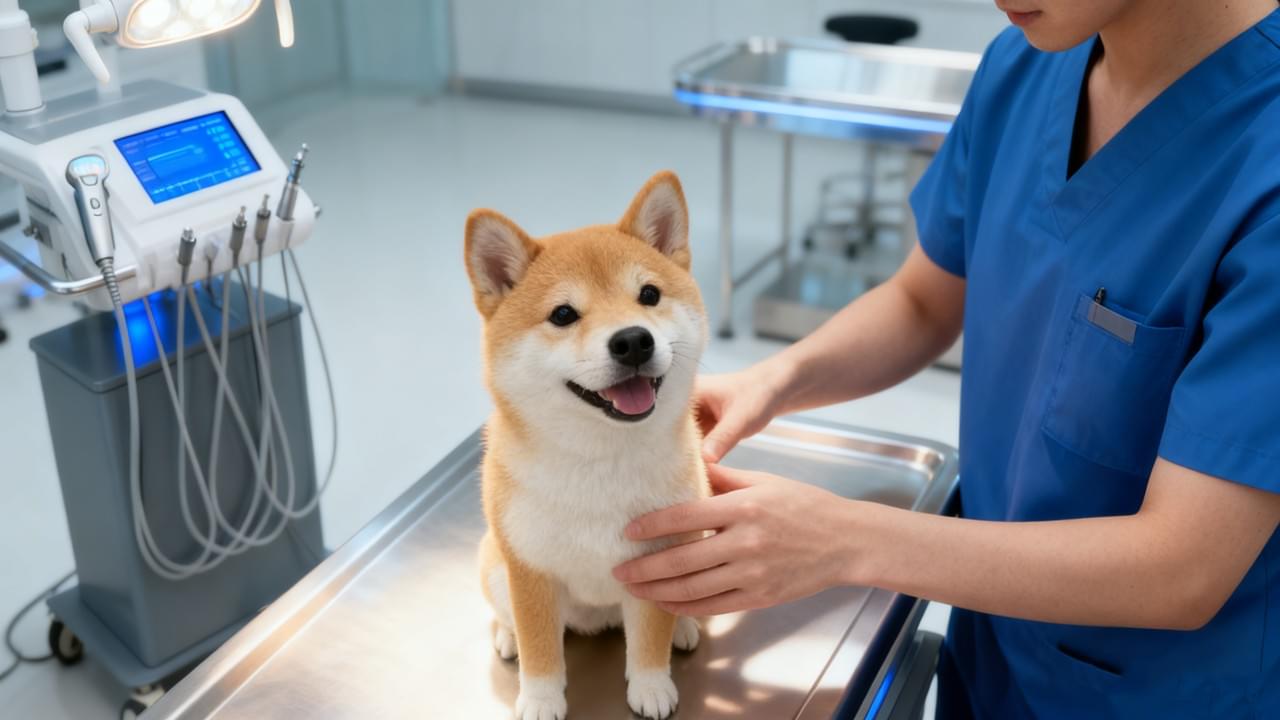
When a beloved pet undergoes surgery or suffers an injury, recovery becomes a top priority. While medications and follow-up vet visits are essential, one often-overlooked aspect of healing is where and how your pet rests. A carefully chosen pet bed can provide the necessary support, reduce pressure on healing joints, and deliver calming comfort that accelerates recovery.
In this guide, we’ll explore how to select the best pet beds for animals in recovery—whether they’re recovering from orthopedic surgery, dental procedures, or age-related ailments.
Table of Contents
ToggleWhy Pet Bed Selection Matters in Animal Recovery
A recovery pet bed is more than just a soft place to sleep. It’s a therapeutic tool that:
- Supports joint alignment and spinal posture
- Prevents pressure sores and wound aggravation
- Helps anxious or painful animals rest peacefully
Choosing the right bed ensures your pet stays comfortable and stable, helping reduce stress—a crucial factor in faster healing.
Understanding the Needs of Recovering Animals
Each animal’s recovery is different. Dogs healing from surgery may need orthopedic support, while cats recovering from trauma might require warmth and seclusion. Factors to consider include:
- Type of injury (soft tissue, bone, surgical)
- Duration of rest prescribed
- Mobility restrictions
- Behavioral changes like anxiety or restlessness
By aligning the bed with your pet’s needs, you’ll create a safe, restorative space.
Key Features of Therapeutic Pet Beds
Not all pet beds are equal—especially when it comes to healing. Look for these features in a recovery bed:
- Orthopedic or memory foam: Distributes weight and reduces joint pressure
- Low entry point: Ideal for pets with limited movement
- Removable, washable cover: Ensures hygiene
- Supportive bolsters: Offers head and neck support
- Non-slip bottom: Prevents shifting and injury
These elements together contribute to both comfort and safety.
Comparing Materials: Which Is Best for Healing?
The material inside the bed greatly affects recovery quality. Here’s how common materials compare:
| Material | Benefits | Best For |
| Memory Foam | Excellent support, pain relief | Post-op dogs, aging pets |
| Cooling Gel | Temperature control, joint relief | Heat-sensitive pets |
| Cotton Fiber | Soft, breathable, affordable | Short-term rest or cats |
| Egg-Crate Foam | Budget-friendly, light support | Smaller breeds, younger pets |
When choosing a pet bed for recovery, memory foam tends to be the top recommendation by vets.
Size and Shape Considerations for Recovery Beds
Size matters—especially for recovery. Ensure:
- Your pet can stretch out fully
- There’s room to shift sides without falling off
- Beds are not too tight (causing pressure) or too large (causing insecurity)
Round beds are great for curled sleeping, while rectangular beds provide full-body support for post-surgical rest.
Temperature Regulation and Breathability
Thermal comfort plays a key role in recovery. Look for:
- Cooling layers for inflammation management
- Heated pads for arthritic pets or cold climates
- Mesh siding or breathable covers to prevent overheating
Maintaining the right temperature can prevent complications and encourage longer sleep cycles.
Anti-Anxiety and Calming Pet Beds
Injured pets often show signs of anxiety—whining, restlessness, and poor appetite. Calming beds with:
- Donut shapes
- Raised rims
- Soft faux fur textures
…create a cocooning effect that soothes nervous systems and promotes healing through better rest.
Mobility-Friendly Beds for Limited Movement
Post-surgery pets may struggle to climb into standard beds. Consider:
- Flat-entry designs
- Low-friction covers
- Memory foam ramps to assist access
This is especially important for large breeds, elderly dogs, or animals recovering from leg or spine injuries.
Waterproof and Hygiene-Friendly Designs
Pets recovering from wounds or surgery may have accidents or drainage from bandages. Choose beds with:
- Waterproof liners
- Machine-washable covers
- Odor-resistant materials
Keeping the environment clean helps prevent infections and supports faster recovery.
Special Considerations for Senior Pets
Elderly pets recovering from surgery or injury need added support. Look for:
- Extra-thick orthopedic foam
- Incontinence liners
- Non-skid bottoms
- Elevated sides for added comfort
These features relieve pain and accommodate reduced mobility or arthritis.
Pet Bed Accessories That Support Healing
Enhance recovery by pairing beds with:
- Heated mats or gel packs
- Elevated feeding stations
- Post-op cones or protective collars
- Blankets infused with calming pheromones
These accessories work in tandem to reduce stress and aid healing.
The Role of Vet Recommendations in Bed Selection
Always consult your vet for:
- Bed firmness suggestions
- Post-surgical support requirements
- Special material considerations (e.g., allergy-friendly)
Following clinical advice ensures your pet’s recovery plan is well-supported at home.
Indoor vs Outdoor Recovery Bed Options
If your pet enjoys fresh air, consider:
- Water-resistant outdoor beds
- Shaded setups with breathable mesh
- Portable therapeutic mats
Outdoor beds should still offer the same orthopedic benefits and cleanliness standards as indoor beds.
Mistakes to Avoid When Buying Recovery Pet Beds
Avoid these common pitfalls:
- Buying the wrong size or shape
- Choosing non-washable or slippery materials
- Ignoring temperature needs
- Prioritizing looks over functionality
Focus on comfort, practicality, and your pet’s specific recovery journey.
Trusted Brands and Certifications to Look For
Reliable therapeutic pet beds often carry:
- Vet-recommended or orthopedic-certified tags
- CE or ISO certifications
- Eco-friendly or hypoallergenic labels
Look for established brands known in the vet and pet care community.
FAQs About Recovery-Focused Pet Beds
- What’s the best type of pet bed for post-surgery recovery?
Orthopedic memory foam beds with low entry points are usually ideal. - Can my pet use their regular bed while recovering?
Standard beds may lack the support needed during recovery, leading to slower healing. - Are heated pet beds safe for injured animals?
Yes, if they have temperature controls and are vet-approved for your pet’s condition. - How often should I clean a recovery pet bed?
Ideally every 3–5 days or immediately after soiling to prevent infection. - Do cats need orthopedic beds too?
Yes, especially older cats or those recovering from trauma. - Can calming pet beds help reduce healing time?
They help reduce stress, which supports better rest and potentially faster healing.
Comfort Is Care for Recovering Pets
Recovery is not just about medication—it’s about rest, comfort, and emotional well-being. The right pet bed creates a peaceful environment where your animal companion can heal faster, sleep deeper, and return to their happy self sooner.
Whether your pet is recovering from surgery or simply aging gracefully, investing in a proper recovery-focused pet bed is one of the best decisions you can make.